
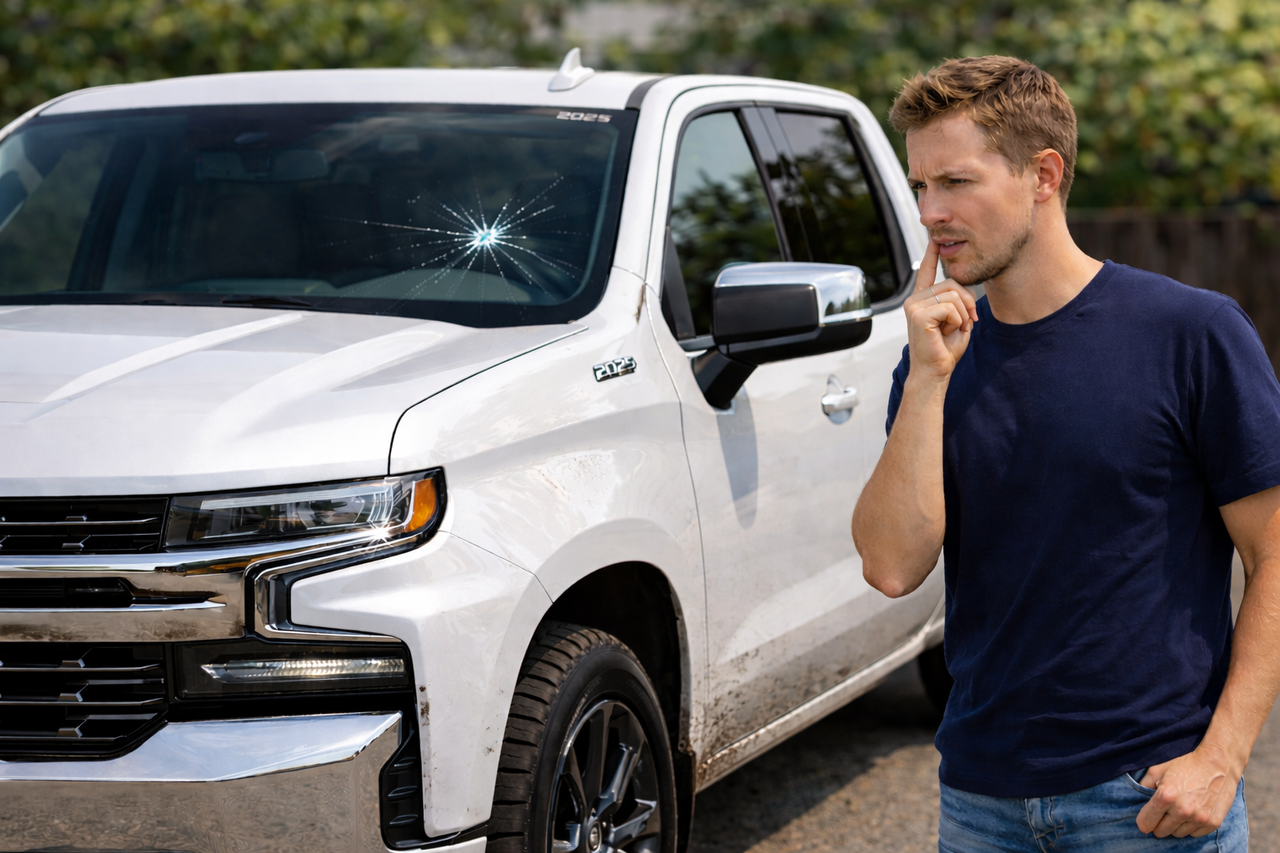
A stray pebble on 17-92, a dump truck kicking up debris near Lake Mary Boulevard, a sudden temperature drop after your car bakes in the Florida sun, and your windshield can go from flawless to spidered in seconds. If you drive around Seminole County long enough, a chip or crack isn’t hypothetical. It’s a when, not an if. The first question most people ask once the shock passes isn’t about resin or replacement glass. It’s about insurance. Will a Sanford windshield repair affect your rates? What about a full replacement? How fast should you call your insurer, and what if you can’t spare the time to visit a shop?
The short answer is reassuring for most Florida drivers, and the longer answer helps you avoid surprises.
The Florida backdrop: glass claims work differently here
Florida has one of the most friendly frameworks for drivers with a damaged windshield. For years, Florida statute required insurers to waive the deductible for windshield replacement on comprehensive coverage. While legislation around certain claim practices has evolved, the core principle remains: if you carry comprehensive coverage, windshield damage is typically covered without a deductible. That separates Florida from many other states, where you might eat a $250 or $500 out-of-pocket bill for the same repair.
Two nuances matter:
- Comprehensive coverage is optional. If you carry liability-only, you’re on your own for auto glass in Sanford and everywhere else.
- Policies vary. Some insurers treat side and rear windows differently than windshields. A Sanford car window replacement can fall under the same comprehensive umbrella, but read the glass endorsement and talk to your agent before you assume parity.
The local result is predictable. Drivers in Sanford file glass claims early, often on the same day a chip appears. That’s smart financially, but don’t skip the practical step of assessing the damage properly.
Will a glass claim raise my premium?
For most drivers with comprehensive coverage, a single auto glass claim doesn’t lead to a rate hike on its own. Insurers view glass damage as a comprehensive loss, not an at-fault collision. It’s in the same family as theft, flood, fire, or hail. You didn’t choose the rock that hit your windshield, and insurers know that.
There are exceptions. Underwriting looks at frequency and pattern. If you file multiple glass claims within a 12 to 24 month period, some carriers may consider you higher risk overall and adjust your premium at renewal. The adjustment might be modest, but it happens. Shop owners who handle hundreds of claims a year in the Sanford area see the pattern: one claim, no change; two or three clustered together, side window repair sanford nc you may notice a bump.
Another wrinkle is rating territory and market conditions. If a carrier experiences higher-than-expected glass losses in a region, average rates can creep upward for the whole pool. That’s not about your individual cracked windshield in Sanford, it’s about actuarial math across thousands of policyholders. You can’t control that, but you can control your own claim cadence and whether a tiny chip becomes a large claim.
Repair versus replacement: what insurers prefer and why it matters
Insurers prefer repair when it’s safe and feasible, and so should you. Repair usually takes less than 30 minutes, preserves the factory seal, and costs a fraction of replacement. A typical rock chip repair in Sanford might run 60 to 150 dollars retail, depending on severity and mobile service fees. Replacement often lands in the 350 to 900 dollar range for common vehicles, and can exceed 1,200 dollars if your car has a heated windshield, rain sensors, or an ADAS camera that requires calibration.
Because repair is cheaper and keeps the original seal, carriers often waive any deductible for repair even in states where replacement has a deductible. In Florida, the deductible waiver for windshields historically meant repairs and replacements both had no out-of-pocket cost for comprehensive policyholders. Policy language still rules, so confirm the details, especially if you need sanford auto glass replacement for side or rear windows.
Safety anchors the decision. A repair is only appropriate when the damage:
- Is smaller than a quarter and not deep enough to hit the inner plastic layer, and sits outside the driver’s primary viewing area.
If the crack runs longer than 6 inches, branches at the edge, or rests in front of the driver’s line of sight, a replacement is the safer choice. With today’s laminated glass and camera systems, a technician must also evaluate how the damage interacts with sensors mounted behind the glass. If you have lane-keep or automatic emergency braking, your sanford windshield replacement will almost certainly include an ADAS calibration after installation.
How a claim flows in Sanford: practical steps that save time
When a chip appears, the clock matters. A fresh impact has clean edges that accept resin well. Once dirt, water, and insect remains soak in, the clarity of a repair drops and the chance of the crack spreading rises. Florida’s afternoon deluges accelerate that process.
Your next steps are straightforward. Start by taking two clear photos: one from outside the car, one from the driver’s seat. Include a coin for scale. Note the location relative to the driver’s side and the nearest edge. If you have comprehensive coverage, call the claims number on your card or start a claim through the insurer’s app. Many carriers will route you to a preferred network. You are not required to use their suggested vendor, but doing so can simplify payment and warranty documentation.
Shops offering mobile auto glass Sanford service can usually meet you at home or work, which solves the time problem. For small repairs, the visit often takes less than an hour. For replacements, you can expect closer to two hours including curing, plus calibration time if your car needs it. A well-run sanford mobile windshield repair crew brings a battery-powered vacuum, moisture control, ultraviolet cure lamps, and a tablet for on-site claim processing.
The calibration factor no one should ignore
Advanced driver assistance systems depend on precise alignment. If your car has a front-facing camera mounted to the windshield, replacing that glass alters the camera’s position by small but meaningful amounts. That camera guides lane centering, traffic sign recognition, and collision warnings. A misaligned camera can mean late or false alerts, which is a safety hazard and a liability concern.
Calibration comes in two flavors: static, done in a controlled environment with targets and alignment racks, and dynamic, done on the road at specific speeds and distances while the system relearns lanes. Some vehicles require both. Calibration fees in Central Florida typically range from 150 to 350 dollars. Insurers usually cover it as part of the replacement claim, but the shop must document pre- and post-calibration values.
If a provider quotes a surprisingly low price for sanford windshield replacement and waves off calibration, move on. You want a shop that can produce a calibration certificate, not a shrug.
Mobile service versus shop bay: when convenience meets quality
Mobile service is the norm for rock chip repair Sanford wide, and it works well in most parking lots and driveways. For replacement, mobile is still feasible if the weather cooperates and the surface is dry and level. Afternoon storms can disrupt the schedule, and humidity complicates urethane cure times.
Shops with indoor bays control those variables and can set up calibration targets on level floors. If your vehicle requires static calibration or if rain is forecast, a shop visit may be the better plan. Some Sanford auto glass repair providers split the difference by performing the install at your location, then asking you to visit the shop for calibration. That’s fine as long as they schedule the follow-up quickly and caution you about driving behaviors until calibration is complete.
Factory glass, aftermarket glass, and what to ask for
Windshields come in three broad categories: OEM, OEE (original equipment equivalent), and aftermarket. OEM carries the vehicle manufacturer’s branding and tends to cost more. OEE is produced by the same global manufacturers that often supply OEM, built to the same specifications but without the automaker’s logo. Aftermarket varies more.
Insurers commonly authorize OEE for cost reasons, and for most vehicles it performs identically. The difference shows up in higher-end models with acoustic glass or complex frit patterns around sensor areas. If you drive a late-model European vehicle or a trim with noise-reducing laminated glass, ask the shop to confirm part numbers and acoustic spec. A reputable Sanford auto glass replacement provider will show you the glass label and explain the differences in plain terms.
How shops actually repair chips
A proper repair looks simple from the curb, but it’s a practiced sequence. The technician first inspects the damage to classify it as a bullseye, star, or combination break. They clean the impact site, sometimes using a micro-drill to open the surface for resin flow. A bridge tool creates a seal over the chip while vacuum and pressure cycles draw resin into the micro-fractures. After curing under UV light, the tech scrapes the surface flush and adds a pit filler for a smooth finish.
A repaired chip often remains faintly visible, especially at certain angles. The goal is structural, not cosmetic. A good repair restores most of the glass’s strength and prevents the crack from spreading. Expect 70 to 90 percent clarity improvement if you caught it early, less if the chip collected dirt or moisture. Drive the car within minutes of the cure, but avoid high-pressure car washes for a day.
When a small chip turns into a big crack
Florida heat and humidity make small chips unstable. Parked cars bake. Then air conditioning cools the glass unevenly from inside, which stresses the damaged area. It is common to see a crack run from a dime-sized chip across the passenger side after a single hot day. If the crack reaches the edge, replacement becomes necessary.
If you can’t schedule immediate repair, cover the chip with clear packing tape to keep moisture out. Avoid temperature shocks. That stopgap buys time for a sanford windshield repair appointment, but it’s not a substitute. Delaying a 100 dollar repair can turn into a 500 dollar replacement overnight.
Dealing with side and rear glass
Unlike windshields, which are laminated, most side and rear windows are tempered. They shatter into small beads on impact. There’s no repair path. You replace the pane, clean out broken glass from the door or hatch, and restore weather sealing. A sanford car window replacement usually takes one to two hours. Expect to replace any vapor barriers and clips the tech removes during the process. Insurers often treat these panes under the same comprehensive coverage, but deductibles can differ. Ask the claims adjuster if your glass endorsement covers all windows or only the windshield.
What insurers expect from you
Carriers want timely reporting, accurate details, and receipts. If you use a network provider, the shop submits everything directly. If you choose an independent auto glass Sanford shop outside the network, you may need to pay and seek reimbursement. Keep the invoice, calibration certificate if applicable, glass part number, and documentation of any ADAS features affected.
Be honest about how the damage happened. If a rock jumped up from an uncovered load and you caught the license plate, note it. If a tree limb fell during a storm, say so. The cause won’t usually change coverage, but it can help the insurer classify the loss correctly.
How to pick a shop that won’t waste your time
Sanford has no shortage of glass providers that promise same-day service. Speed matters, but ask a few pointed questions before you book.
- Do you perform in-house ADAS calibration, and can I see the post-calibration report?
- Will you use OEM or OEE glass for my vehicle, and what’s the difference in my case?
- How do you handle rain and humidity during mobile installs, and what urethane do you use?
- What warranty do you provide on workmanship and water leaks?
- Can you coordinate directly with my insurer, or will I need to pay and be reimbursed?
Good shops answer clearly, explain trade-offs without upselling, and schedule around weather instead of pushing risky installs. If you need sanford mobile windshield repair on a rainy summer afternoon, a cautious scheduler is a sign of a shop that cares.
The cost picture without insurance
Not everyone carries comprehensive coverage, especially on older cars. If you’re paying out of pocket, repair almost always beats replacement when it’s safe. Expect these ranges in the Sanford market, based on recent invoices:
- Rock chip repair: 80 to 150 dollars depending on location and number of chips.
- Standard windshield replacement: 350 to 600 dollars for common sedans and SUVs without complex sensors.
- Windshield with rain sensor or heated elements: 500 to 900 dollars.
- ADAS calibration add-on: 150 to 350 dollars.
- Side window replacement: 200 to 400 dollars depending on the vehicle.
- Rear window with defroster: 300 to 550 dollars.
Prices move with parts availability and labor demand. If a national shortage affects a specific glass part, a shop may source from regional warehouses in Jacksonville or Tampa, which can add a day to the timeline and a modest shipping cost.
What about aftermarket add-ons and tints?
Many Sanford drivers have aftermarket tint or a sun strip along the top of the windshield. If your tint sits on the glass, a replacement means you’ll need the tint reapplied. Insurers usually don’t pay for aftermarket tint, but ask. If you’re replacing a rear window with the defroster grid integrated into the glass, make sure the shop verifies the grid during the post-install check. Damaged grids create cold zones and poor defrost performance. A careful installer avoids scraping techniques that nick the lines.
For specialty vehicles with acoustic interlayers, confirm the replacement carries the same dB rating. A non-acoustic windshield can increase cabin noise enough to notice on I-4, especially in crosswinds.
A few real-world scenarios from around Sanford
A teacher in Midway noticed a star break near the passenger side after parking under a maple tree. The damage was small and out of the driver’s view. She called her insurer, who routed her to a preferred network. A mobile technician arrived at her home the next morning, repaired the chip in 20 minutes, and the claim closed with no out-of-pocket cost. Six months later, no spread, no issue, and no premium change at renewal.
A contractor who parks near job sites off Rinehart Road took three hits in a year, two on a work truck and one on a personal SUV. All were covered under comprehensive, but at the next renewal the carrier adjusted his rate across both policies. The increase was noticeable but not extreme. He adjusted his strategy, adding mud flaps to the truck and using mobile auto glass Sanford service for fast repairs before cracks spread. The next cycle stabilized.
A family with a late-model crossover equipped with lane centering needed sanford windshield replacement after a crack ran edge to edge. The shop performed a static calibration in-house. The first test showed the camera angled slightly off axis. The tech repeated the calibration, documented the pass, and provided the printout. Without that diligence, the system might have pulled left on the highway. Insurance covered the calibration as part of the claim.
Common myths that persist
People often think filing any claim automatically raises rates. For comprehensive glass claims in Florida, one isolated claim rarely moves the needle. Repeated claims can, and state-wide loss experience can, but the myth that a single rock chip will punish you at renewal doesn’t hold up in practice.
Another myth: replacing the windshield ruins the factory seal and guarantees leaks. On modern vehicles, proper primers and urethane, combined with precise pinch-weld preparation, make a new install as reliable as the original. Leaks arise from rushed prep or contaminated bonding surfaces, not from the act of replacement. A skilled Sanford auto glass repair team cleans, primes, and clocks the urethane bead, then allows adequate cure time before releasing the car. That routine prevents wind noise and water ingress.
Finally, some believe that aftermarket glass is “thin” or unsafe. Federal standards govern automotive glazing thickness and performance. The quality difference shows up in optical clarity around sensor areas and in noise attenuation, not in basic safety. For a daily driver without specialized features, a quality OEE windshield performs well. For high-end trims, OEM or a validated equivalent is worth the extra cost, especially when sensors are involved.
How to minimize your chance of a claim
You can’t control every pebble, but you can reduce risk. Leave more following distance behind gravel-hauling trucks and construction vehicles. If you must pass, do it decisively rather than lingering alongside. Avoid sudden blasts of cold air against a hot windshield. Use a sunshade when parked to moderate temperature swings. Address a chip immediately, even if it looks tiny. Those small habits mean fewer calls to your insurer and more days you don’t think about auto glass Sanford issues at all.
When to skip insurance and pay cash
There are times when paying cash makes sense, even with comprehensive. If your policy has unusual glass terms for side windows, and the replacement cost is close to your deductible, paying out of pocket can be faster. If you’re planning to switch insurers soon and already have multiple small claims on record, you might also choose cash to avoid another mark on your CLUE report. Talk it through with your agent. A five-minute conversation can save you annoyance later.
Final take: what a Sanford driver should expect
If you carry comprehensive, a sanford windshield repair or replacement is usually covered and usually does not change your premium on its own. Prompt repair keeps costs and hassles down, and it’s safer. Choose a provider that treats ADAS calibration as essential, uses the right materials for Florida humidity, and respects your time with capable mobile service. Be thoughtful about claim frequency, keep the paperwork, and don’t let a small chip become a line across your view to the St. Johns River. With the right steps, your windshield becomes a minor errand, not a financial event.
Leave a Reply