
Auto glass work seems simple from the outside, but the difference between a clean, safe windshield replacement and a frustrating do-over often comes down to details you never see. Charlotte drivers deal with a mix of heat, humidity, pollen, and sudden temperature swings each spring and fall. Those conditions matter when adhesives cure and when technicians set glass. If you need a new windshield or a door glass replacement, understanding the process makes it easier to choose the right shop, schedule smartly, and avoid problems that show up weeks later.
This guide walks through what actually happens with a professional replacement, why each step exists, how local factors in Mecklenburg County can affect your timing, and where the common pitfalls hide. You will also learn how to read a Charlotte Windshield Quote without getting tripped up by line items that look optional but really are not, and how to spot corners being cut on materials or calibration.
When replacement beats repair
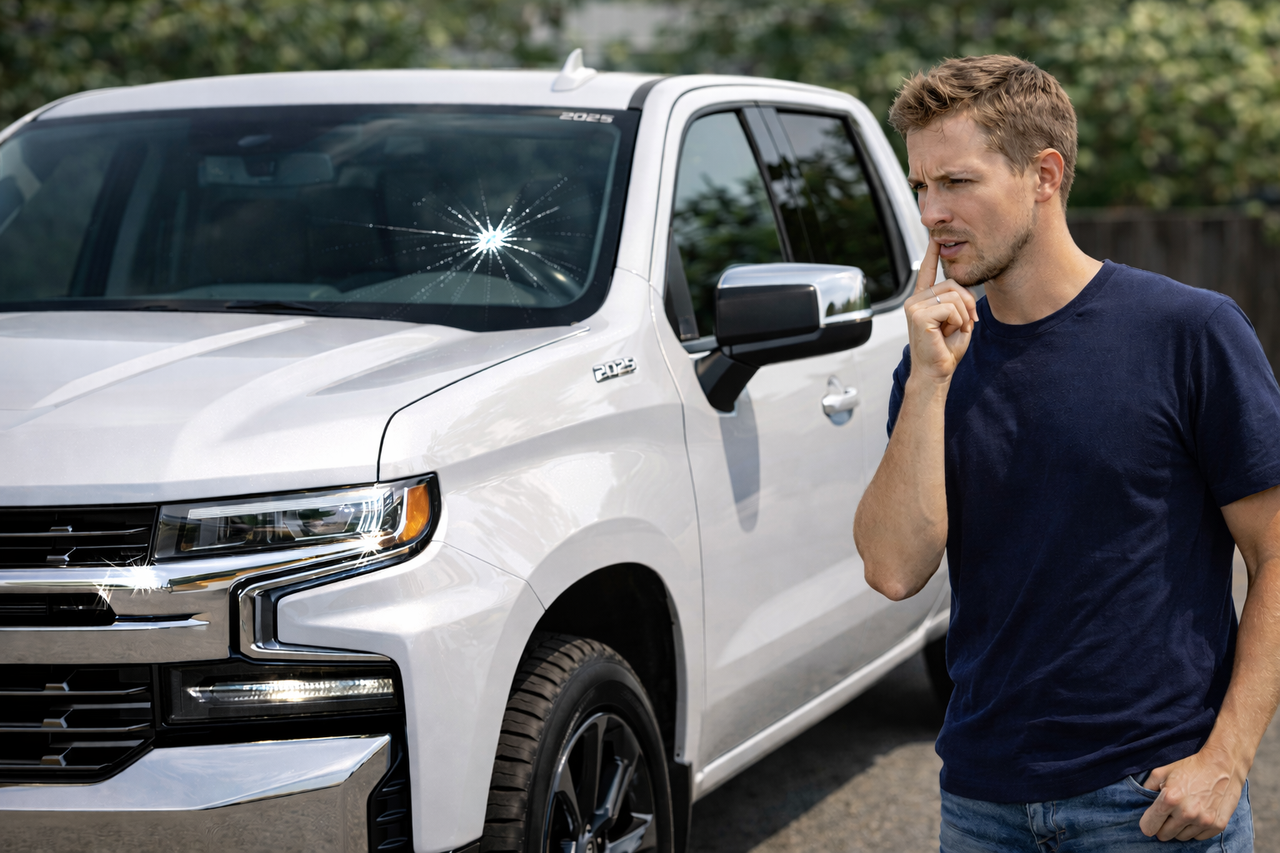
Cracks and chips get triaged the same way by most reputable shops, but the rules have nuance. A single rock chip smaller than a quarter with no branching can often be repaired, especially if it sits outside a driver’s direct line of sight. Once a crack extends or splinters, repair buys you time at best. In my experience, if a crack reaches the edge of the glass or you can catch a fingernail in it across more than an inch or two, replacement becomes the safer call. Heat stress on I‑77 or freezing nights in January can turn a hairline fracture into a windshield-length crack overnight.
Windshields are structural on modern vehicles. They do more than keep bugs out. They help roof rigidity, provide a backstop for airbag deployment, and form part of the camera and sensor housing for advanced driver assistance systems. If you drive a late-model Toyota, Ford, BMW, or any vehicle with lane-keeping and collision warning, the glass specification matters. Even a small optical distortion near the camera mount can interfere with calibration. That is why “good enough” aftermarket glass sometimes creates not-so-good ADAS behavior.
Door glass and quarter glass have different rules. They are tempered, not laminated. When they go, they shatter, and replacement is straightforward with no resin repairs in the middle ground. Back glass can be laminated or tempered, and when defroster lines run through it, you want a quality match to the OEM layout so the defogger works evenly.
The anatomy of a Charlotte Auto Glass quote
If you have asked for an Auto Glass Quote Charlotte drivers typically receive, you know they can vary more than expected. One shop might show a low headline price, then add calibration and moldings later. Another folds everything into one total. The components usually break out like this:
- Glass: OEM, OEM-equivalent, or aftermarket. Pricing can swing 25 to 60 percent depending on brand and availability. For popular models, Charlotte Auto Glass suppliers often have multiple equivalent options on hand. For less common vehicles, expect a day or two lead time while the warehouse delivers to the shop.
- Parts and kits: Moldings, clips, cowl retainers, rain sensors, and attachment pads. These small items are where cheap quotes trim costs. If your molding is brittle, reusing it can cause wind noise at highway speeds or leaks during summer storms.
- Labor: Removal, preparation, setting, and cleanup. Skilled labor is what keeps your dash scratch-free and your A‑pillars intact. Average quoted labor for a windshield in the Charlotte area tends to fall in the $120 to $220 range, but it can go higher for vehicles with complex trim.
- Adhesive system: Urethane type, primer, and cure time. Not all urethane is created equal. The safe drive-away time depends on the urethane’s chemistry, humidity, and temperature.
- Calibration: Static or dynamic ADAS calibration. If your car uses a front-facing camera, radar, or lidar integrated with the glass or mirror bracket, plan for calibration. This can add $125 to $350 to the Charlotte Windshield Quote, depending on whether the shop has in-house equipment or brings in a mobile calibrator.
The cheapest quote often becomes the most expensive when you add the missing pieces later. Ask for line-item clarity before you commit, and make sure the shop explains what is included: glass brand, urethane cure time, moldings, and calibration plan.
Scheduling around Charlotte’s weather and your day
Humidity and temperature influence adhesives. Summer afternoons in Charlotte can push well past 90 degrees with 70 percent humidity. Good urethanes like these conditions for curing, but direct sun on a black dash can overheat the glass, making the bead skin too quickly and reducing bonding if the tech does not adjust technique. In winter, urethane needs more time, and some formulas call for heat. Morning appointments in summer keep the cabin cooler and the working time predictable. In winter, midday slots give the adhesive a better temperature window.
Mobile service has improved dramatically in the last decade, and many Auto Glass Charlotte outfits can do OEM-level work at your office parking lot. The key is environment control. Light rain is manageable with portable canopies. High winds are not. Pollen season, which blankets everything in yellow dust, requires careful prep. On-site technicians must take extra steps to keep the bonding surfaces clean. If your car’s interior is dusty from a recent construction site visit, plan a quick vacuum or mention it when booking.
What actually happens on replacement day
From the outside, it can look like magic. Remove glass, set new glass, see you later. The real work sits in the prep and the quality of the bond. A thorough shop follows a sequence that protects your car and ensures the windshield becomes part of the body structure again.
Arrival and walk-around A good technician starts with a walk-around, noting preexisting paint chips near the A‑pillars, prior dash cracks, or broken clips that will need replacement. If you have dash cams, toll tags, or EZ Pass mounts, those get relocated or removed before the cut-out.
Protection and stripping Interior protection covers the dash and seats. Exterior protection goes over the fenders and cowl. Wipers and trim come off. On many modern cars, the upper molding and A‑pillar trims fasten with fragile clips. An experienced tech feels for resistance and uses a clip tool rather than prying by force. This is the part that separates pros from the twenty-minute jockeys.
Cutting out the old windshield Two main methods get used: cold knife and wire. Wire systems, like fiber line with handles or powered systems, reduce the risk of paint damage around the pinch weld. Gouged paint invites corrosion that grows under the urethane over time. In Charlotte’s humid summers, exposed steel rusts quickly. If paint gets nicked, the tech should treat it with primer designed for that purpose, not household touch-up.
Pinch weld prep Once the glass is out, the old urethane bead gets trimmed to a uniform thin layer called a “full cut.” You do not scrape down to bare metal unless there is contamination. The remaining urethane serves as a perfect bonding surface for the new bead. Contaminants like silicone from dashboard cleaners can sabotage adhesion. This is where the tech’s hands need to be clean and the surface must be primed according to the adhesive manufacturer’s instructions.
Sensor transfer and bracket prep Rain sensors, humidity sensors, and mirror brackets get cleaned and prepped. Some cars require gel pads for the rain sensor that must sit without bubbles. Misaligned sensors lead to wipers that ignore drizzle or swipe on dry glass.
Adhesive application The urethane bead gets laid down in a continuous, even V bead that matches the vehicle’s specified height. Too low and the glass will sit proud, leading to wind noise. Too high and you risk squeeze-out and a mess inside the cabin. Adhesive systems are not universal. Technicians use primers for both the glass and body according to the exact urethane brand. Skipping glass primer to save a minute is a silent failure that shows up months later as leaks or creaks.
Setting the glass Modern setting tools, sometimes called setting bridges, help align the windshield to the body opening. Two techs make this smoother, but one skilled tech can set solo with the right equipment. Correct placement matters for ADAS camera angles and for trim fitment. The tech should apply a gentle, even push around the perimeter to seat the bead without deforming it.
Reassembly and leak test Trim, cowl panels, and wipers go back on with new clips where needed. Finally, the tech performs a leak test. Dry testing uses a vacuum gauge and listens for whistling at highway speeds with a test drive. Wet testing uses a controlled hose spray. Both can catch an imperfect seal.
Cure time and drive-away guidance Urethane cure time varies. Fast-cure products allow safe drive-away in about 30 to 60 minutes at summer temperatures. In cooler months, expect 60 to 180 minutes depending on the product and conditions. “Safe” here means the windshield will retain the airbag properly in a crash, not just that it won’t slide. If your quote is built around a cheap urethane, the drive-away time might be longer than your lunch break. Ask the shop for the specified safe drive-away time on your adhesive and plan accordingly.
ADAS calibration: static, dynamic, or both
If your car has a forward-facing camera, radar behind the grille, or a rain and light sensor, calibration is not optional. Once the glass is replaced, the camera sees the world through slightly different optics and must be taught what straight ahead looks like. There are two main calibration methods:
Dynamic calibration happens on the road with a scan tool connected and a specific drive cycle completed at set speeds on clean, well-marked roads. Charlotte’s beltways and stretches of I‑85 and I‑485 work well for this, assuming traffic cooperates and the weather is clear.
Static calibration uses targets placed at measured distances and heights in a controlled bay. The process requires level floors and enough space to mount the targets. It takes longer and demands strict setup. Some vehicles need both static and dynamic steps.
If your shop does mobile work, ask how they handle calibration. Many bring a mobile calibrator with foldable targets, but some systems still work best in-bay. A trustworthy Auto Glass Charlotte provider will not guess. They will reference your vehicle’s service information and document the completed calibration with printouts or digital reports.
Why glass brand and spec matter more than logos
There is a long-running debate about OEM glass versus aftermarket. The truth is less binary. Some aftermarket manufacturers also make OEM glass for automakers, and their aftermarket windshield may be functionally identical to the factory piece from the same line minus the logo. Others reproduce the shape but not the exact laminated interlayer characteristics or optical tolerances.
What you want in your Charlotte Auto Glass replacement is fit and optical quality. Fit ensures moldings sit flush and the glass sets at the right depth. Optical quality avoids distortion rings and waviness, especially near the sightline of the mounted camera. If you look across the glass at a straight line in the distance and see it bend at the edges, consider asking for a different brand. A seasoned technician will tell you which brands consistently set true for your model. In practice, for mid-level sedans and trucks, a high-quality OEM-equivalent is often perfect. For luxury vehicles with heads-up displays, OEM is sometimes worth the premium.
Insurance, glass coverage, and cash pay in North Carolina
North Carolina does not mandate zero-deductible glass coverage statewide. Many Charlotte drivers carry comprehensive with a deductible that ranges from $100 to $500. Whether you go through insurance depends on the quote. For a standard windshield replacement at $350 to $600 plus calibration, your deductible may wipe out the benefit of filing a claim. On the other hand, some policies include full glass coverage with no deductible, or an endorsement that covers calibration. Call your insurer or check your policy online before you shop, then compare the Charlotte Windshield Quote to your out-of-pocket cost.
If you use insurance, you can still choose the shop. Networks exist to streamline billing, but the right to select remains yours. Tell the shop whether you’ll run it through insurance or pay cash. Cash customers sometimes receive a modest discount because the shop avoids network fees and delayed reimbursements.
Common mistakes and how to avoid them
Rushed prep is the number one reason windshields leak or creak. If the schedule looks too tight and the tech skips a wipe-down or primer step, the adhesive’s bond will suffer. A leak may not show up until a heavy thunderstorm, which Charlotte provides in abundance in July and August.
Reused moldings cause wind noise. A brittle top molding can look fine until you hit 40 mph and it buzzes like a kazoo. If your quote lists new moldings as “optional,” ask the tech to examine the old ones. Many times, replacing them is cheap insurance.
Tossing the drive-away guidance is a hidden risk. The adhesive needs time. If you jump on I‑77 five minutes after a set, the glass may shift microscopically over speed bumps or expansion joints, breaking the bond’s uniformity. Park in shade, drive gently once cleared, and avoid slamming doors for the first several hours.
Ignoring calibration warnings is tempting when the car seems to drive normally. Lane-keeping and forward collision systems can appear to function yet misjudge distances. If the dash displays a calibration required message, do not postpone it.
How to vet a Charlotte shop in five quick questions
Here is a compact checklist you can use on the phone or in person before you book:
- What glass brand will you use for my vehicle, and is it OEM or OEM-equivalent?
- Which urethane system do you use, and what is the safe drive-away time for today’s conditions?
- Are new moldings and clips included, and what happens if you find brittle or broken ones during removal?
- Do you perform ADAS calibration in-house or partner with a calibrator, and will I receive documentation?
- What warranty do you provide for leaks, stress cracks, and water testing, and how long does it last?
Shops that answer these cleanly tend to do the work cleanly. Evasion or vague responses suggest you keep looking.
Special considerations for different vehicle types
Trucks and SUVs often have larger windshields with heavy acoustic interlayers. Setting them requires more careful bead height to avoid wind noise around the top edge, especially with roof racks that disrupt airflow. Many full-size trucks in the Charlotte area use heated wiper park zones. If your original glass had this feature, confirm the replacement does too. Losing it can mean icy mornings take longer to clear in the foothills.
European cars commonly use rain/light sensors with gel pads that must be crystal clear and bubble-free. If a bubble remains, the wipers can behave erratically, which gets old quickly on Providence Road in spring drizzle. BMW and Mercedes models with heads-up display need HUD-compatible glass. Standard glass will dull or double the projection.
Older vehicles with rust on the pinch weld require extra prep. The tech must treat the rust, and sometimes minor paint work is wise before setting the new glass. Cutting corners here sets the stage for leaks a year later.
Aftercare that actually matters
Once your new glass is in, a few simple habits help the bond cure uniformly. Keep the car parked with windows cracked for the first day if the weather allows. This reduces pressure spikes when doors close, protecting the fresh bead. Skip automatic car washes for 24 to 48 hours, particularly those with high-pressure wands aimed at the top edge. Avoid blue painter’s tape removal if the tech applied it for positioning until the recommended time passes. If you see a small ribbon of urethane squeeze-out inside, resist picking at it; tell the shop and let them trim it with a plastic tool.
Watch for early signs of a problem. A light whistle near the A‑pillar at 45 to 55 mph often points to a molding not seated fully. A faint water trail after a storm suggests a gap. Good shops stand behind their work and will reseal or reset without argument if contacted promptly.
The economics of speed versus quality
Mobile-only outfits compete on convenience, and for many straightforward jobs they deliver good results. Dedicated glass shops with in-bay calibration gear offer tighter environmental control and better handling for vehicles with complex systems. Dealerships tend to use OEM glass and have calibration tools, but pricing reflects overhead.
From a strictly economic view, most Charlotte drivers find the best value with an independent shop that invests in calibration equipment and carries multiple glass brands in stock. You save the dealership markup, gain flexible scheduling, and still get documentation. The exception is when a specific calibration procedure requires proprietary targets or software updates the aftermarket does not yet have. In those cases, the dealership visit is worth it.
Reading a Charlotte Windshield Quote without stepping into a trap
Look for three red flags:
First, a suspiciously low materials charge paired with a vague “shop supplies” line. That often masks a bargain urethane or reused clips. Second, a calibration “if needed” note on vehicles that obviously need it. If your car has a camera on the windshield, it is needed. Third, a lifetime warranty that excludes water leaks. That is not a warranty for glass work you can trust.
Conversely, a strong quote windshield crack repair Charlotte NC 28246 shows the glass brand, the urethane manufacturer and cure time, the inclusion of moldings, and the calibration method. If the quote mentions dynamic calibration, ask about the road conditions they need and how long it takes. In Charlotte’s traffic, they may schedule the drive cycle in off-peak times.
A brief real-world example
A Charlotte customer with a 2021 Subaru Outback scheduled a windshield replacement after a five-inch crack spread from a rock chip. The Outback uses EyeSight cameras mounted at the top center. The shop quoted an OEM-equivalent windshield from a reputable manufacturer, new upper molding, fast-cure urethane with a 60-minute safe drive-away at 80 degrees, and in-bay static calibration followed by a short dynamic drive. Total time at the shop: just under three hours. The customer waited in the lounge, then ran an errand while the calibration completed.
A week later, a small whistle appeared at 50 mph. The tech test drove, identified a slightly proud section of the upper molding, and reseated it in ten minutes. No leak, no further noise. This kind of minor follow-up is normal when the shop stands behind its work.
Final thoughts before you book
Replacing auto glass is part craft, part procedure. Charlotte’s climate and traffic patterns add a few local wrinkles, but the fundamentals remain consistent. If you treat your Charlotte Auto Glass replacement like any other safety-critical service, ask a couple of pointed questions up front, and plan the day with cure time in mind, the experience goes smoothly. Whether you choose a mobile appointment at your office in South End or a shop visit near Northlake, insist on clear answers on materials, calibration, and aftercare.
One last practical tip: take clear photos of your dash, A‑pillars, and exterior trim before the appointment. Quality shops do no harm, yet accidents happen. Photos make any conversation simple. Most of the time, you will not need them. What you will notice is a windshield that looks factory, wipers that sweep cleanly, sensors that behave, and a car that stays quiet on the highway the way it should.
If you are reviewing an Auto Glass Quote Charlotte providers have sent, measure it against the steps outlined here. The best shops will sound familiar when they describe their process, because professional work follows the same solid rhythm every time.
Leave a Reply