
Running a fleet in Greensboro is a daily puzzle of routes, drivers, deadlines, and wear. Glass problems rarely announce themselves. A loader taps the back glass with a pallet. A dump truck kicks up a stone on US 29. A seasonal temperature swing stresses a small chip until it becomes a spiderweb overnight. When a single van is down for a cracked windshield, scheduled stops slip and overtime creeps in. Multiply that across ten, twenty, or fifty vehicles and the cost piles up quickly.
Fleet-focused Greensboro auto glass repair isn’t just about fixing panes. It’s about building a predictable rhythm that keeps vehicles earning, drivers comfortable, and safety uncompromised. I’ve managed accounts where the difference between reactive and planned glass service translated to 2 to 4 extra working days per vehicle per year. That’s payroll, revenue, and customer satisfaction, not just glass.
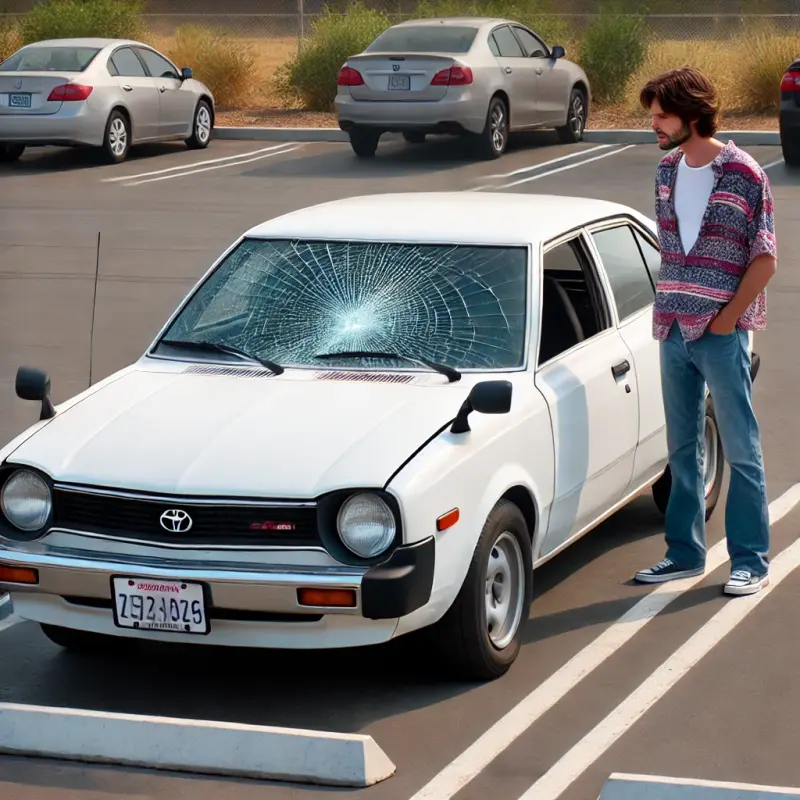
The fleet equation: safety, uptime, and cost control
Commercial vehicles live harder lives than personal cars. They rack up more miles, see more debris, and often carry cargo that stresses the body. Glass becomes a frontline component, and not only for visibility.
Windshields and side windows are structural members in modern vehicles. Properly bonded glass helps maintain cabin rigidity, keeps airbags deploying at the correct angle, and resists ejection in a crash. When you weigh greensboro windshield repair versus replacement, you weigh more than clarity. You weigh the OEM specified adhesive cure time, the parameterized camera calibration for ADAS, and the integrity of a high-mile chassis.
The cost control piece comes from getting ahead of small defects. Rock chip repair Greensboro fleets can schedule within hours prevents long cracks that force a vehicle off the road for half a day. A $90 repair that preserves the original factory seal beats a $400 to $1,200 replacement and avoids the overnight cure window that some adhesives require in colder weather.
What fleet service actually looks like
Fleet programs differ, but the ones that work share a pattern. First, they map your vehicles: year, make, model, VINs, ADAS options, tint, sensor packages, and typical routes. That map drives part stocking and technician scheduling. A shop that truly handles greensboro auto glass replacement for fleets will pre-stage common windshield part numbers for your vans or pickups and stock moldings, clips, and rain sensors that typically fail during removal.
Second, they assign a coordinator. Not a generic phone tree, but a person who learns your routing, load windows, and sites. For mobile auto glass Greensboro jobs, that person slots technicians into real-world gaps so you don’t pull a truck out of a profitable job. This is where the intent behind greensboro mobile windshield repair pays off: planning repairs where the truck already is.
Third, they build checks into routine inspections. Dispatch notes cracked windshield Greensboro sightings during pre-trip inspections. Drivers snap a photo, send it to the coordinator, and get a triage response. New crack, less than six inches, not in the driver’s direct line of sight, no edge involvement? Repair on site this afternoon. Edge crack spreading, in the wiper zone, or a damaged laminate? Replacement scheduled at the depot with ADAS calibration tomorrow morning. No guessing, no delay.
Mobile service that respects your routes
Mobile is not automatically better. I’ve seen mobile techs show up without the right molding, spend an hour pulling a dash apart they didn’t need to touch, then leave the truck inoperable while they “get a part.” Mobile only works when the tech arrives ready to execute and leaves the vehicle ready to roll.
The better greensboro mobile windshield repair teams validate the VIN and part number in advance, check for rain sensors or heated glass, and ask where the vehicle will be parked. They confirm a weather-safe work area and bring a pop-up shelter if needed. In winter, they plan for adhesive temperature with warm boxes and longer safe drive-away times, and they tell you upfront if a truck needs to sit an extra hour before it’s roadworthy. Those details sound small until you have a route start at 7:30 a.m. and the tech finishes at 7:10.
Mobile has limits. Heavy lateral cracks near the edge on certain trucks can require setting the vehicle to a specific angle for the glass to settle during bonding. Some calibrations need level floors and controlled lighting. A genuine fleet partner will say, this one needs to come to the shop, rather than force a substandard mobile job. If your routes include tight delivery windows, having both mobile and in-shop options gives you the flexibility you need.
Repair or replace: judgment calls that save money
Not every chip deserves a new windshield. Rock chip repair Greensboro technicians use clear criteria: size, type, location, and contamination. A star break the size of a dime, caught within a few days, often repairs with almost invisible results and retains the factory seal. A long crack that touches the edge usually grows despite repair and is more likely to fail inspection.
Location matters. Chips in the driver’s primary viewing area call for stricter standards because even a successful repair leaves a faint mark. Camera zones for lane keeping and collision avoidance also matter. If the chip is in the camera’s field and calibration would be suspect, replacement with a calibration is the safer choice.
Then there’s contamination. A chip that’s been open for weeks, filled with dust and moisture, won’t bond as cleanly. Field techs who carry small clear stickers for drivers to place over a new chip can increase repair success rates by 20 to 30 percent for fleets. It’s a ten-cent habit that saves thousands.
ADAS calibration is not optional
Most late-model fleet vehicles in Greensboro carry forward-facing cameras, rain sensors, and radar modules. After a greensboro windshield replacement, those systems must be calibrated to ensure they’re seeing the road correctly. I’ve stood over hood lines where a millimeter of camera offset changed lane recognition at 55 mph. Good enough isn’t good enough when a braking assist can trigger too early or not at all.
Calibration can be static, dynamic, or both. Static requires targets and controlled distances in a shop. Dynamic uses a drive sequence on well-marked roads. Greensboro’s mix of urban grids and highway corridors allows dynamic calibrations, but weather, traffic, or poor lane markings can drag out the process. A shop that offers both options can choose the right method for each model and get it done in one visit.
Never let anyone skip calibration on a vehicle that requires it. A proper greensboro auto glass repair provider will scan before and after, document the procedure, and store the reports with your fleet records. If there’s a collision or an audit, you have proof that systems were returned to spec.
Adhesives, cure times, and the reality of schedules
Uptime pressures tempt shortcuts. The urge to put a van back in service immediately after glass installation is strong. Modern urethane adhesives are engineered for safe drive-away times, often 30 to 90 minutes at typical Piedmont temperatures. But that window assumes the right bead size, humidity, glass prep, and primer cure.
Experienced techs measure ambient conditions, use OEM-approved compounds, and set realistic expectations. On a cold January morning, safe drive-away might double. Fleet coordinators work with this by scheduling replacements early in the day so the vehicle can cure while other tasks are handled. For mobile auto glass Greensboro work, it helps to have indoor bays or at least wind-protected parking at your site. The smallest planning tweak can keep a truck in compliance and on time.
Glass quality and part choices
Aftermarket glass varies. Some vendors deliver excellent optical quality and thickness tolerance, others cause wiper chatter, distortion at the edges, or poor sensor adhesion. For light-duty fleet vehicles, you can often use high-grade aftermarket windshields without issue. For vans with complex camera packs, heated elements, and acoustic layers, OEM or OE-equivalent glass cuts risk. A good greensboro auto glass replacement partner will tell you when the less expensive option will perform fine and when it’s smarter to spec the original.
Side and rear glass is another story. Tempered glass on cargo vans tends to shatter completely when hit, making greensboro car window replacement an immediate need. Some fleets opt to replace rear tempered panes with laminated glass for security and noise reduction. It’s a small upcharge that reduces smash-and-grab loss, since laminated panes don’t collapse on impact. If your routes include overnight street parking or tool-heavy jobs, this is worth a look.
Preventive strategy: small habits that pay off
Drivers are your sensors. Train them to look for pits and micro cracks in the wiper sweep, especially after winter storms or highway days. Keep a few chip-protection stickers in every glove box. Ask drivers to park out of direct afternoon sun when possible, since heat differential across a chip can push a crack. Replace old wiper blades on schedule, every 6 months or 6,000 to 10,000 miles for high-use vehicles, to cut down on scratching.
Even simple wash routines matter. Hot water on cold glass, or the reverse, stresses the laminate. The worst cracking I’ve seen often follows a well-intentioned but too-hot defrost blast on a frigid morning. Educate crews to warm the cabin gradually and aim vents away from a known chip until repaired.
How billing and insurance really work for fleets
Smaller fleets, say 5 to 20 vehicles, often use standard commercial policies with glass coverage. Larger fleets sometimes self-insure small losses and only file for high-value replacements. A fleet-savvy greensboro auto glass repair shop will handle both approaches. They can direct bill your insurer when it makes sense and issue consolidated monthly invoices when it doesn’t.
The hidden costs are administrative. Every single-vehicle retail job generates a call, a claim number, a signature. For fleets, consolidate. Batch similar repairs. Use fleet PO numbers tied to unit IDs. Ask for a monthly report that shows vehicle, date, service type, and technician. With a few months of data, you’ll see patterns: which routes produce more chips, which model years crack more often, and whether a certain brand of replacement glass leads to callbacks.
Downtime math: what a windshield really costs
When you tally the full cost of a job, include travel time to a shop, waiting rooms, and driver idle. A mobile visit done correctly often saves 2 to 3 hours per vehicle. Across 30 incidents a year, that’s roughly 75 hours. If your loaded hourly rate is $45 to $70 for a driver and vehicle, you’re looking at $3,000 to $5,000 in soft savings by simply planning mobile work at sites where trucks already sit.

Now factor in safety. A cracked windshield Greensboro police might view as an equipment violation invites a stop and a delay. Worse, a failure during a collision carries risk you can’t price neatly. It’s why serious fleet managers treat glass like tires: consumables managed with discipline, not surprises handled with improvisation.
Seasonal realities in Greensboro
Piedmont weather swings matter. Hot summers push cabin temps over 120 degrees in parked vans. Rapid cooling from AC on old chips can propagate cracks. Fall leaf debris traps moisture at moldings, then winter freezes expand and loosen seals. Spring storms pepper windshields with small impacts and splash gravel onto side glass.
Plan service intensity accordingly. Late spring and early fall tend to spike chip incidents. Schedule extra mobile capacity in those windows, and stage more repair resin kits and top molding clips for your common models. Greensboro’s pollen season also makes ADAS calibration targets harder to keep clean outdoors. Shops that calibrate during these months indoors are less likely to drag a dynamic calibration into a second day.
The nuts and bolts of quality installation
Glass work looks simple from ten feet away. The devil lives in surface prep and alignment. Here’s what I watch for when I shadow a tech on a fleet job: masking of pinch welds and paint, full removal of old adhesive to a uniform layer rather than digging to bare metal, and a clean, continuous urethane bead with proper height. I look for primer timing and touch discipline, because a fingerprint in primer can cause a leak weeks later.
On reassembly, clips and cowl panels need to seat without stress. If a tech forces a cowl back under wiper arms, expect squeaks and potential water entry later. Rain sensors should sit flush with clear gel pads, not cloudy bargain film. ADAS camera housings should lock without play. When techs take a final look through the glass for optical distortion and check the wipers across the full sweep, I know they’re thinking about the driver’s experience, not just the invoice.
Integrating with your dispatch and maintenance
The cleanest fleet setups tie glass service into existing workflows. Your dispatch platform already tracks mileage and stops. Add a simple tag for glass incidents and trigger a message to your glass coordinator. Maintenance managers can slot glass checks into oil change intervals and FMCSA inspections for DOT-regulated vehicles. If your team uses barcodes or NFC tags on vehicles, mirror the system in work orders so your records align with your maintenance logs.
Some greensboro auto glass repair providers offer APIs or simple forms to request service. Even an old-fashioned greensboro windshield replacement shared spreadsheet works if it’s kept current. What matters is reducing the friction for drivers to report and managers to schedule. The fewer clicks between a chip and a scheduled repair, the fewer replacements you’ll pay for.
When the job site is the job
Greensboro construction and service fleets rarely have the luxury of a centralized depot. One of my clients runs mixed light-duty trucks across job sites from Randleman to Reidsville. In that world, mobile auto glass Greensboro service pays off only when access and safety are nailed down. Before the tech heads out, confirm gate codes, parking space for a service vehicle, and site safety rules. Keep a small stock of reflective cones or folding signs in a few vehicles. Create a standard note that site supers can post for a one-hour glass service window, so nobody moves the truck mid-cure.

For certain equipment, especially flatbeds with side curtain systems or custom cab racks, send photos ahead. Odd gaskets and aftermarket attachments can block trim removal. A ten-minute photo exchange saves a failed visit.
Choosing a partner: what separates the capable from the merely available
Your first filter is responsiveness, but the second is consistency. Ask prospects how they track safe drive-away times, how they document ADAS calibrations, and whether they store vehicle-specific notes. Ask what glass brands they prefer and why. If they speak confidently about sensor variants for your models and volunteer a plan for bad-weather days, you’re on the right track.
Look for proof of insurance and technician certifications. AGRSS registration and I-CAR training indicate a baseline of process discipline. For larger fleets, ask about background checks for techs and on-site conduct policies. Professionalism at your customer’s site reflects on your brand even when the worker wears another company’s shirt.
Finally, evaluate communication. A clear text before arrival, a photo after completion, and a concise summary of what was done and what’s next beats a scribbled tag on a steering wheel. In a good program, you’ll see recurring names. Familiar techs make fewer mistakes and notice evolving issues like wiper wear patterns or recurring stress cracks on a specific model.
Common pain points and how to avoid them
Water leaks often show up a week after a replacement, usually after the first heavy rain. The cause is typically pinched molding or uneven bead height. A quality shop water-tests sensitive installs before releasing the vehicle and invites drivers to report any wind noise. Treat the first two weeks after replacement as a sensitivity period and inspect quickly if drivers mention unusual sounds.
Windshield distortion sits in the category of almost right. If the driver complains of eye strain or wavy lines near the A pillars, don’t shrug it off. Some aftermarket glass has optical distortion that is within manufacturing tolerance yet unacceptable for long drives. Swapping to a better brand resolves it. Good partners won’t fight you on this.
Calibration callbacks happen when targets were misaligned or the test drive was rushed. Shops that keep printed or digital checklists reduce this dramatically. You want to see distance measurements, target height, and a scan report saved with the VIN.
A Greensboro-specific rhythm
Local knowledge counts. Crews that work around Cone Health campuses know where they can stage a mobile tent without blocking patient traffic. Teams that service fleets along Wendover negotiate the midday lunch rush better than early morning. Highway pattern familiarity matters too. US 421’s ongoing work zones tend to throw extra gravel in certain months. Fleets that shift routes slightly during those windows have fewer chip claims.
Weather quirks show up in adhesives and calibration schedules. Summer thunderheads roll in fast, so outdoor work should start early. Winter mornings call for patient prep, then the afternoon for dynamic calibration when lane lines are dry and visible. When you talk with a provider about greensboro windshield repair or replacement, listen for these local nuances. They mean your jobs will hold up in the real context of your routes.
Where keywords meet reality
Marketing phrases like auto glass Greensboro or greensboro auto glass repair get you in the door, but execution keeps your trucks on the road. The difference between greensboro windshield replacement and a quick greensboro windshield repair often hangs on a simple habit, like drivers covering new chips or dispatch sending a photo right away. The convenience of mobile auto glass Greensboro service shines when small logistics details are respected. For greensboro car window replacement after a break-in, having laminated options on hand saves a second visit. And greensboro mobile windshield repair earns its keep when the tech arrives with the exact sensor kit and leaves an ADAS report in your inbox.
Building a durable program
Good fleet glass management is not glamorous. It’s a stack of small disciplines that prevent big headaches. Establish a single point of contact. Keep up-to-date vehicle profiles. Train drivers to spot and report issues the same day. Choose a provider with the depth to handle ADAS and the humility to say no to a mobile job that really belongs in the shop. Track your data and adjust with the seasons.
Do that, and the cost of glass in your P&L starts behaving. Trucks spend more days where they belong, on the road and earning. Drivers stop thinking about foggy corners or chirping cowls. And when a rock finds a windshield on Bryan Boulevard, it becomes a tiny note in your dispatch log rather than the reason for a missed delivery.
A compact checklist for fleet managers
- Document each vehicle’s glass specs, ADAS features, and common part numbers.
- Train drivers to report chips immediately and cover them with provided stickers.
- Decide in advance when to repair versus replace, and when to require calibration.
- Stage wiper blade replacements and wash routines that protect glass.
- Set up consolidated billing and monthly reporting to spot patterns.
Final word on trust and tempo
Once your fleet finds its rhythm with a glass partner, the work fades into the background where it belongs. You stop reacting to each cracked windshield as a one-off emergency and start treating glass like any other consumable managed on schedule and by standards. Greensboro’s roads will keep throwing sand and stones. The right process, and the right greensboro auto glass replacement partner, turns that chaos into a manageable line item rather than a weekly fire drill.
Leave a Reply