
Windshields crack for ordinary reasons: a dump truck shedding gravel on I‑40, a cold snap after a warm afternoon, a parking lot mishap that no one left a note for. When the damage is small and your schedule is tight, insurance can feel like more trouble than it’s worth. Deductibles vary, claims history matters, and sometimes the fastest, cheapest path is simply paying out of pocket. If you live in or around Guilford County and you’re weighing Greensboro auto glass repair options without insurance, the math and the logistics are manageable if you know how shops price jobs and what to expect.
This guide comes from years of watching how repairs unfold in the Triad, listening to shop managers quote jobs, and seeing drivers regret choices that looked inexpensive at the beginning. The goal is straightforward: help you make a sensible, safe decision about paying cash for auto glass in Greensboro, including when to repair, when to replace, what mobile service really costs, and how to avoid false economy.
When out-of-pocket makes sense
Cash pay is logical in a handful of common situations. If your comprehensive deductible sits at 500 dollars and a clean windshield repair runs 120 to 180 dollars, the claim doesn’t pencil out. The same thinking applies if you’re dealing with a single rock chip repair Greensboro shops can handle in 30 minutes, or a minor door glass replacement on an older car that you plan to sell soon. Some drivers skip insurance to avoid a claim on their record, even if comprehensive claims rarely raise rates by themselves. Others want full control over parts and adhesives and prefer to choose a local technician they trust.
There’s also a time factor. Greensboro mobile windshield repair can meet you at your driveway or office, often same day. That’s appealing when you don’t want to navigate insurer networks or wait for approvals. Paying out of pocket lets you approve the quote and schedule on the spot, which matters if you commute down Wendover or US‑29 during rush hour and don’t want to risk a crack growing across your field of view.
Repair or replacement: practical thresholds
A repair preserves your original windshield and usually costs far less than replacement. Technicians inject resin into a chip or short crack, cure it with UV, then polish to restore clarity. A repair won’t erase the mark entirely, but it will restore strength and keep the damage from spreading.
The judgment call hinges on size, location, and age of the damage. Many Greensboro windshield repair technicians use rules of thumb like these: star breaks smaller than a quarter, bulls-eyes under an inch, and cracks under six inches that aren’t in the driver’s primary sight line are often good candidates. If the crack runs to the edge of the glass, snakes into the frit area, or is contaminated with dirt and moisture after weeks of exposure, replacement is more reliable.
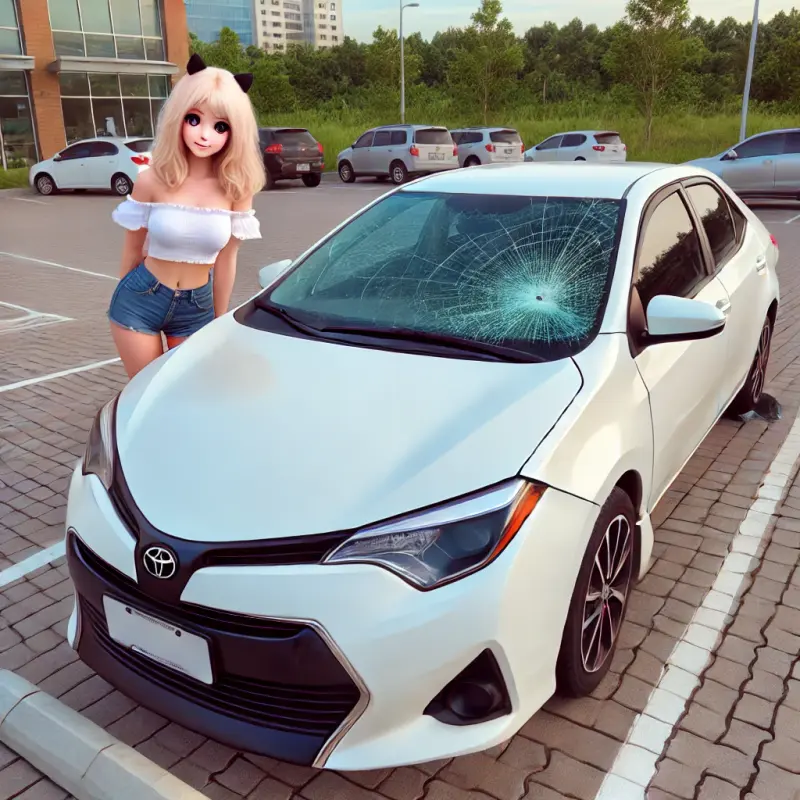
For replacement, cost depends on whether the glass is heated, whether your car has an advanced driver assistance system camera that needs calibration, and whether you choose OEM or aftermarket glass. Greensboro windshield replacement for a common sedan might run 280 to 450 dollars for base glass, but a camera‑equipped windshield with acoustic interlayer can push 600 to 1,100 dollars. Luxury models, heads‑up display windshields, or embedded antennas move the number higher. If you drive a late‑model crossover with lane‑keep assist, assume you’ll need camera calibration after installation, which adds time and expense and is not optional if you want the system to work as designed.
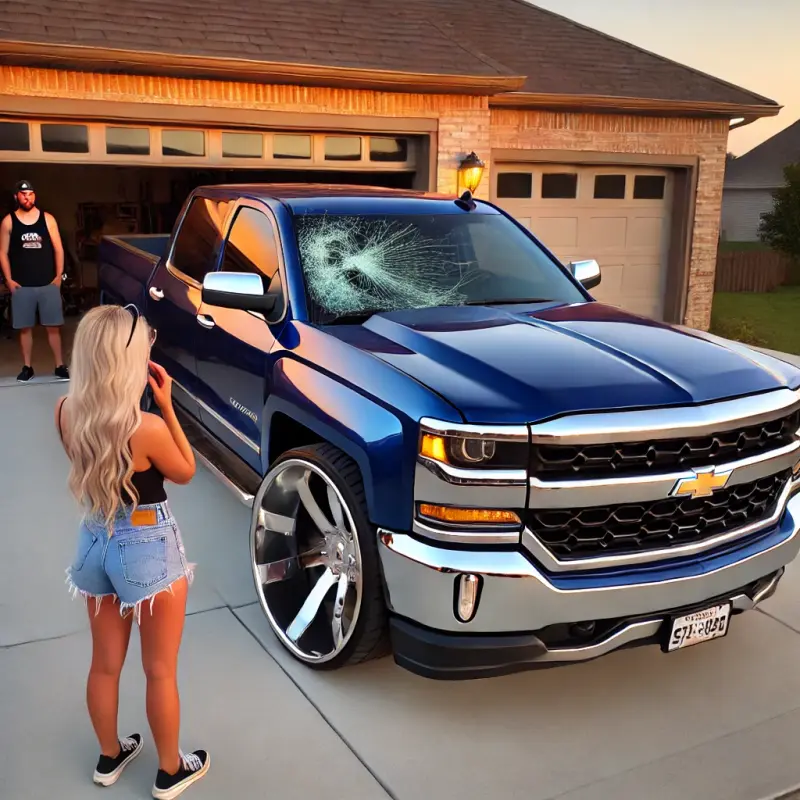
Anecdotally, a client in Fisher Park with a 2019 compact crossover had a tight six‑inch crack near the wiper park area. He hoped for a repair, but the crack touched the edge and had already picked up moisture. The replacement bill, including calibration, landed around 720 dollars out of pocket. That sounds steep until you consider the deductible on his policy was 1,000 dollars. Skipping the claim and booking a Greensboro auto glass replacement saved time and future paperwork.
How shops price out-of-pocket work
You’ll see three major components in a cash quote:
- The glass or repair service itself. Rock chip repair Greensboro shops often quote 90 to 150 dollars for the first chip, then 20 to 50 dollars for each additional chip done at the same appointment. Full windshield glass ranges widely based on part complexity. Door glass generally sits between 180 and 350 dollars out the door for common models. Quarter glass and back glass may vary more because of defrosters and shapes.
- Materials and labor. Adhesives, primers, and moldings matter. Good shops use urethane adhesives with published safe drive‑away times, typically one to three hours depending on temperature and humidity. Labor covers removal, cleanup of old urethane, rust inspection, and proper prep of the bonding area.
- Calibration or specialty services. If your car has a forward camera, budget for calibration. Mobile shops sometimes partner with alignment centers or specialty facilities for static or dynamic calibration. Expect 125 to 350 dollars for many models, with premium brands higher. Some vehicles require both static and dynamic procedures, which can push the total up.
Out-of-pocket customers benefit from asking for a line‑item estimate. The best Greensboro auto glass repair shops won’t hesitate to show parts cost, labor, fees, and any calibration charges. This lets you compare quotes apples to apples and avoid the low headline price that grows after installation.
OEM versus aftermarket glass
For Greensboro windshield replacement on newer cars, you’ll choose between OEM glass and high‑quality aftermarket. OEM carries the automaker logo and often matches the original acoustic layers, tints, and frit patterns exactly. Aftermarket can be excellent for many vehicles, particularly older ones, at a lower price.
Here’s how to think about it. If your lane departure warning camera is picky or the vehicle is known to be sensitive to glass distortion, OEM is safest. If your car is a common model without advanced features, reputable aftermarket glass is often indistinguishable in daily use. Costs may differ by 100 to 300 dollars. When people regret going aftermarket, it’s rarely because of catastrophic failure. It’s more subtle: a slight halo around headlights at night, a trim piece that doesn’t seat quite flush, or a faint optical wave you notice on long drives down I‑85.
Ask your installer if the glass they propose is equivalent in thickness and acoustic properties, and whether they have successfully calibrated your make and model with that exact part number. In the Greensboro market, good shops keep a record of which combinations calibrate consistently and will steer you accordingly.
The value of mobile service in Greensboro
Mobile auto glass Greensboro technicians save the trip to a shop, which is helpful if your calendar is packed or the vehicle isn’t safe to drive. Mobile jobs can be as precise as in‑shop work if the conditions cooperate. The technician needs a clean, level place to work, weather above roughly 40 degrees for urethane to cure properly, and protection from wind and rain during installation. Summer thunderstorms can derail appointments, and winter mornings may push drive‑away times longer.
Expect mobile fees to be baked into the quote rather than listed separately. Many Greensboro mobile windshield repair pros set their service area to cover the city and close suburbs without surcharge. If you’re out near Summerfield or Whitsett, there may be a small travel charge. A good mobile team will ask about your driveway, garage space, and whether the vehicle can be staged in a sheltered area. They’ll also advise you on safe drive‑away time and tape removal, and they should leave a written warranty.
If you need Greensboro car window replacement for a shattered door glass, mobile service is especially convenient. Technicians vacuum the interior, remove the door panel, swap the regulator clips, and run the window through several cycles to ensure the glass seats in the tracks. Realistically, a thorough mobile door glass job takes about 60 to 90 minutes including cleanup.
Safety, adhesives, and why the clock matters
Money matters when you’re paying cash, but safety should trump saving a few dollars on materials. The windshield is part of the vehicle’s structural envelope. It supports the passenger airbag on deployment and helps the roof stay rigid in a rollover. That’s why the urethane adhesive, the primer system, and surface prep are nonnegotiable.
Ask the installer which adhesive they use and the safe drive‑away time for your conditions. Leading urethanes set fast in warm, dry weather, but Greensboro’s humidity can slow curing. If a shop quotes a 15‑minute drive‑away time for a full windshield on a rainy July afternoon, that’s optimistic. You want a documented time window so you can plan your day. Also ask whether they replace one‑time‑use moldings and clips or reuse them. Reusing brittle cowl clips leads to rattles and water intrusion down the line.
For cracks near the edge or damage in the driver’s primary field of view, a repair might be technically possible but still not advisable. You’ll notice distortion where the resin fills the void. If you drive at night on US‑220 with a lot of oncoming glare, even a well‑executed repair in that spot can become an annoyance. Out of pocket means you control the decision, so be frank with the tech about your tolerance for blemishes.
Calibration isn’t a luxury feature, it’s part of the repair
If your car has forward collision warning, adaptive cruise, or lane keep assist, the camera and sensors expect the glass to be in a precise position and free of distortion. Replacing the windshield changes that relationship. Calibration returns the camera to baseline so it reads lane lines and obstacles correctly.

Greensboro shops handle calibration in two ways. Dynamic calibration uses a scan tool and a specific road drive pattern at certain speeds. Static calibration uses targets and precise distances in a controlled space. Some vehicles require both. Don’t be surprised if a mobile installer completes the glass job at your home, then asks you to visit a partner facility for static calibration later that day or the next morning. Skipping this step can leave warning lights on or, worse, a system that functions unpredictably.
Cash customers sometimes hesitate at the calibration line item. Treat it as essential. If the quote seems high, ask whether the shop performs the calibration in‑house or subcontracts it, and whether there’s flexibility in scheduling. It’s proper for the final invoice to include a calibration report or at least a printout from the scan tool showing completion.
How to choose a Greensboro shop when you’re paying cash
The auto glass Greensboro market spans one‑truck mobile outfits, regional chains, and dealership‑aligned glass teams. With cash work, you want transparency, quality materials, and follow‑through. Price shopping makes sense, but keep it disciplined so you don’t chase a low quote that hides weak adhesive or reused moldings.
Here’s a concise checklist to evaluate candidates without getting bogged down:
- Ask for a written estimate that separates glass, labor, adhesive, moldings, and calibration.
- Confirm the adhesive brand and the safe drive‑away time for today’s weather.
- Verify whether the quote is for OEM or aftermarket glass, and why they recommend it for your vehicle.
- If your car has ADAS, ask how and where calibration will be performed and whether a report is provided.
- Request the warranty terms in writing, including leak coverage and stress crack coverage after installation.
Most reputable Greensboro auto glass repair teams will answer these questions in one phone call. Watch for hedging on adhesives or vague answers about calibration. Also ask about scheduling windows. A shop that can see you today is great, but a next‑day appointment isn’t a red flag if it means proper parts and setup.
Timing, temperature, and damage that spreads
Cracks and chips don’t sit still. A shallow chip on Monday can become a foot‑long crack by Friday after a cold morning and a pothole. Greensboro’s swing from humid afternoons to brisk evenings is enough to move a borderline chip into replacement territory. With a cracked windshield Greensboro drivers are wise to avoid slamming doors, blasting defrosters on maximum heat, or hitting car washes with high‑pressure jets until the repair is done.
If you’re debating repair versus replacement and the calendar is tight, ask a shop if they can stabilize the damage. Some techs will drill stop a running crack or inject resin to halt growth even if a full repair isn’t ideal. This buys you a few days to plan a replacement without watching the crack creep toward the A‑pillar.
For side and rear windows, timing is more about security and weatherproofing. A broken side window invites theft and lets water into door electronics. Many shops carry common door glass in stock for economy sedans and crossovers. If yours is uncommon, they can usually source it in a day or two from regional warehouses.
Paying cash without paying twice
Out-of-pocket doesn’t mean you should accept a cut‑rate job. The cheapest quote sometimes hides shortcuts like insufficient prep, reused moldings, or bottom‑shelf urethane. Those choices show up a month later as wind noise, a faint whistle at 60 mph on Bryan Boulevard, or a leak that appears only in heavy rain.
Ask for proof of technician certifications or at least documented training on adhesive systems. Look for shops that photograph VIN stickers and existing trim condition before the job starts. That habit signals accountability. If the vehicle has rust in the pinch weld where the glass bonds, a conscientious tech will point it out and explain how they’ll treat it. Painting over rust and installing glass on top invites leaks later.
Warranties on cash jobs vary, but a lifetime workmanship warranty for leaks and wind noise is common for windshield installs. Stress crack warranties are usually shorter, often 30 to 90 days, because road impacts aren’t under the installer’s control. Make sure the time period is on paper.
Local realities that affect cost in Greensboro
Regional supply and weather matter. Summer hail in nearby counties can create a short‑term surge in demand that tightens schedules and nudges prices up. Winter cold snaps slow urethane curing, which lengthens appointments. If you need a quick turnaround, a Saturday morning in spring or fall often gets you the best balance of technician availability and curing conditions.
Another factor is glass availability for specific trims. A 2016 sedan may have three windshield variants: base, with rain sensor, and with rain sensor plus lane camera. Ordering the wrong part wastes time. Have your VIN handy when you call. A good shop will decode the build and verify with a quick visual check of your mirror area. If you’re paying cash, time saved equals money saved, because you won’t lose a half day to a rescheduled appointment.
Edge cases and judgment calls
Not every situation fits the simple repair‑or‑replace flowchart. A classic truck with a flat laminated windshield may use a gasket instead of urethane, and the labor is more about working the rubber in without tearing it. A van with an aftermarket roof wrap needs careful tape use to avoid lifting the film. A car with an interior dash camera and wires tucked behind the mirror requires gentle handling during removal and reinstallation.
Then there’s calibration in the gray areas. Some late‑model cars will accept a dynamic calibration during a road drive and pass all tolerance checks, only to show intermittent lane keep issues weeks later. If a shop tells you a static target session is recommended even though the car passed dynamic, that’s not upselling. It’s experience with that platform in Greensboro’s lighting and road conditions.
Finally, tempered door glass breaks into pellets that scatter everywhere. You’ll find them in the seat track and under the floor mat months later. A thorough technician uses a crevice tool, blows out the door cavity, and checks the drain holes. Customers who call back with rattles usually had a rushed cleanup. If you’re paying cash, include cleanup quality in your shop evaluation because it affects your daily experience long after the invoice is paid.
Estimating your out-of-pocket total
Numbers shift with parts and features, but you can forecast a range. A single rock chip repair Greensboro technicians do curbside: roughly 100 to 150 dollars. Two or three chips repaired at the same time: 140 to 220 dollars depending on size and location. Standard Greensboro windshield replacement without cameras: 280 to 450 dollars for many mainstream vehicles. With camera and calibration: 500 to 900 dollars is common, with premium models above that. Greensboro car window replacement for a shattered front door glass: 200 to 350 dollars including cleanup and labor. Rear glass with defrosters tends to run higher, often 300 to 600 dollars.
Add a mobile convenience margin of 0 to 40 dollars depending on distance and scheduling. Subtract a little if you can meet at the shop and your vehicle is a very common model. If a price sounds far below these ranges, ask what’s missing. If it sounds far above, ask whether you’re being quoted OEM glass with calibration and new moldings. The answer often explains the gap.
Small choices that improve results
Two habits help out-of-pocket customers get better outcomes. First, take clear photos of the damage as soon as it happens, including a ruler or coin for scale. Share them with the shop before the appointment. That helps them stage the right resin or glass variant and, if necessary, calibration gear. Second, protect the area until the work is done. Cover a door opening with plastic and painter’s tape if it’s raining, and keep the vehicle out of direct sun if a chip is fresh. Moisture and dirt complicate repairs.
After installation, follow the technician’s care instructions. Leave any retention tape in place for the recommended period. Avoid high‑pressure car washes for at least 24 to 48 hours. Crack the windows slightly on hot days to reduce cabin pressure that can push on fresh urethane. These are small measures, but they minimize call‑backs and keep you from paying for avoidable touch‑ups.
When insurance actually helps
Even if you plan to pay cash, it’s worth a quick policy check. Some North Carolina policies waive the deductible for repairs but not replacement. If your chip qualifies for repair, that means you could get it done at no cost through your insurer’s network. If you’re concerned about using a network shop, ask your preferred Greensboro auto glass repair provider whether they can process the claim while still doing the work. Many can. For full replacements, if your deductible is 250 dollars and your quote is 350 dollars, a claim might reduce your out‑of‑pocket by only 100 dollars while adding paperwork and possibly delaying the appointment. That’s the trade‑off to weigh.
For fleet vehicles or company cars, insurance often requires approved vendors. If you’re responsible for downtime costs, a slightly higher cash price with guaranteed same‑day mobile service may save money overall compared to waiting two days for an approved vendor.
Final thoughts from the bay floor
People think of auto glass as invisible until it fails. Then it becomes a safety device, greensboro car window replacement a budget line, and a scheduling puzzle all at once. If you handle out‑of‑pocket costs with a few disciplined questions, you keep control without compromising safety. The Greensboro market has capable technicians who can meet you at your office in Friendly Center, your driveway off Lawndale, or a parking deck downtown and leave you with a clean install and a clear view.
You don’t need to become an expert. You just need to know what matters: the right glass for your trim level, a urethane system with a documented cure time, a plan for calibration when required, and a warranty that means something. When a shop answers those items plainly, the rest falls into place. Whether it’s a quick rock chip on your lunch break or a full windshield with ADAS that needs careful attention, Greensboro mobile windshield repair and in‑shop teams are set up to get it done right, at a fair out‑of‑pocket price, and on your schedule.
Leave a Reply