
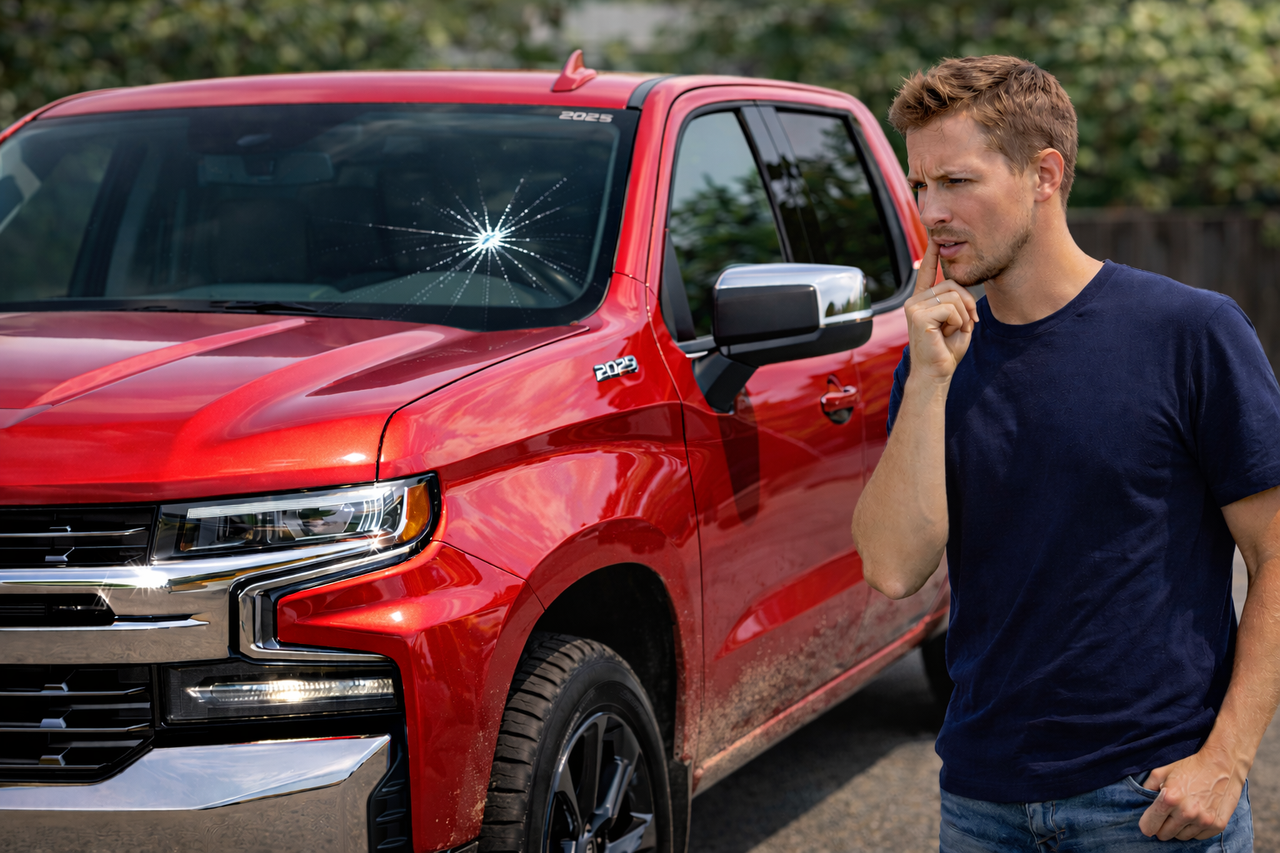
A rock chip never arrives on a good day. It shows up after highway construction, a hard rain that leaves gravel on 17-92, or that quick run down the 417 where a dump truck sheds a pebble at 70 mph. You spot the star or bull’s-eye in your windshield, your gut sinks, and your brain starts calculating costs. Ignore it too long and heat, vibration, or another bump can turn a pinprick into a crack that snakes across your field of view. Treat it promptly and you often avoid a full glass replacement.
I live and work around Sanford, and I’ve seen how our weather and roads shape the life of auto glass. Florida sun bakes the top edge of the windshield by midday. Summer storms roll in, pressure shifts, then the glass cools fast under pounding rain. Those swings tug at tiny flaws. So when people ask if a small chip is worth fixing, I tell them it’s not just worth it, it’s time-sensitive. Done quickly, a repair is clean, strong, and cheap. Wait a few weeks, and you’re calling for Sanford windshield replacement.
This guide walks through how to judge a chip, what proper repair looks like, the tools and pitfalls of DIY, and how local pros handle it. I’ll also share what tends to go wrong when people try to ride it out.
Why small chips turn into long cracks around Sanford
Glass isn’t a single solid the way it looks. Automotive windshields are laminated: two sheets of glass around a plastic interlayer. That structure saves lives during collisions and keeps the roof rigid. It also means a tiny impact on the outer layer can sit there, waiting for stress. Highway speed pushes air pressure across the surface, especially along the bottom edge and pillars. Summer heat expands the outer layer while the cabin A/C keeps the inner layer cooler. Hit a pothole on Airport Boulevard, twist the body, and the chip may extend.
You’ll often see chips grow after one of three triggers. First, temperature shock, like a hot afternoon followed by a sudden downpour or washing the car with very cold water. Second, a new jolt, maybe as small as rolling over a speed bump at 15 mph if the chip is near the edge where flex is greatest. Third, contamination, because dirt and moisture in the fracture prevent resin from bonding, and trapped water expands when heated.
If you catch chips early, you keep them clean and dry, then stabilize them with a proper resin injection. After cure, the damage remains visible if you look for it, but the structure around it regains its ability to distribute load. That stops the crack from running.
What qualifies as a good candidate for repair
You can avoid replacement if the damage meets a few criteria. Auto glass guidelines vary slightly by shop, but the following rules come from years of practical outcomes, not just theory.
-
Size and type. Chips smaller than a quarter coin, or short linear cracks under 6 inches, respond well. Bull’s-eyes, stars, and combination chips are all repairable if the impact point is accessible.
-
Location. Anything directly in the driver’s critical sight area at steering wheel height needs strict scrutiny. Repairs leave a faint blemish. If it sits where your eyes track on the road, some shops in Sanford will advise replacement for safety and inspection reasons. Damage near the edge, within about 2 inches of the frame, is more likely to spread and more likely to need replacement if it has already crept.
-
Depth. If the damage penetrates the outer glass only and the inner layer is intact, repair is likely. If the crack shows on both surfaces, replacement is the only safe option.
-
Cleanliness. The fresher the chip, the better the result. A week of rain, pollen, or car-wash detergent makes resin adhesion less predictable. I’ve had good results even with two-week-old chips, but you need extra prep.
Sanford windshield repair techs can judge this quickly at the curb. If they hesitate, ask them to show you why. A reputable pro would rather repair than replace, but they won’t set you up for a comeback.
A realistic timeline after the impact
The hour after you notice a chip matters more than most people realize. Park in shade if you can, because direct sun will warm the glass and flex the fracture. Keep the area dry. If you have clear tape, cover the impact point to keep out dust and moisture, but don’t press hard. Skip commercial glues or nail polish; they contaminate the surface and often make professional repair impossible.
In Sanford, finding mobile help same day isn’t hard. Many mobile auto glass Sanford providers work long hours to catch evening calls after commuters get home. If you call before lunch, you can usually have a tech on your driveway by late afternoon. If you can’t get service right away, avoid the drive-through car wash and don’t blast defrost on full heat. Moderate climate control reduces expansion and contraction.
How professional chip repair actually works
A good repair looks simple from the outside. The technician cleans the area, mounts a bridge tool over the impact site, then injects resin under vacuum and pressure cycles. The truth is, small decisions at each step separate a clear, strong fix from a cloudy dot that cracks later.
Surface prep comes first. The tech inspects the impact point with a loupe, picks out loose glass, and, if needed, opens a path into the break using a tiny carbide probe. Any broken shards that lean over the cavity are lifted to let resin travel fully.
Pressure and vacuum cycles pull air out of the crack and push resin in. Some chips respond in one cycle, others require three to five short cycles. The resin must reach the tips of each leg in a star break. If you look through from the cabin while the technician works, you can watch the legs fade as resin fills them.
Curing uses a portable UV lamp. Most resins set in two to five minutes under direct UV, longer in heavy overcast or under dense tint along the top strip. After curing, the tech scrapes flush, polishes the pit, then seals the surface with a pit resin and a curing tab under UV again. The pit coat prevents moisture from entering and protects the fill from wiper abrasion.
A well-done repair restores most of the strength of the outer layer. Visibility improves by 50 to 80 percent depending on chip type. You still see a tiny blemish at certain angles. That is normal.
What a careful DIY attempt entails
People ask me whether a good hardware-store kit can match a professional rig. If the chip is fresh, small, and squarely accessible, a patient DIY can hold up. If the chip sits near the edge or shows multiple legs longer than half an inch, you’re taking more risk than you think.
Here’s a minimal, no-drama process that works as well as a kit can deliver:
-
Choose a kit with a screw-in injector, not a simple plunger. Look for UV-curing resin and a bridge that suctions firmly.
-
Work in shade around 70 to 85 degrees. Clean the area lightly. Remove loose glass with the kit’s probe. Do not use glass cleaner that leaves surfactants.
-
Mount the bridge centered on the impact point. Apply a slow vacuum by backing out the injector, hold 30 to 60 seconds, then turn in to apply pressure. Watch for the legs to fade. Repeat vacuum and pressure in short cycles.
-
Cure with UV light or direct sunlight for several minutes, per instructions. Apply pit resin, lay a thin curing strip, cure again, then scrape flush with a razor held nearly flat.
-
Avoid washing the car or slamming doors for 24 hours. Keep the interior temperature mild to reduce stress while everything settles.
Those steps cover maybe 70 percent of simple chips. The other 30 percent involve things kits cannot do: micro-drilling to connect isolated legs, adjusting resin viscosity for hot glass, adding heat to drive out moisture, or using a higher-quality resin that wets cracks better. If you botch the fill and the crack runs a week later, you haven’t saved money.
When you should skip repair and book replacement
I’m not in the business of pushing full glass unless it’s the right call. Replacement costs more time and money, and it introduces risks if done poorly. That said, some cases demand it.
A crack longer than about 6 inches has already relieved some stress by running, but it remains unstable. If it reaches the edge, replacement is almost always the safe path. Damage in the driver’s primary viewing area doesn’t always require replacement, yet if tempered glass sanford nc the expected optical distortion would interfere with safe driving, a responsible Sanford auto glass repair shop will recommend new glass.
Any strike that compromises sensors or the acoustic layer also changes the conversation. Late-model vehicles tie lane departure cameras and rain sensors into the windshield. A replacement then involves calibration. Shops that handle Sanford mobile windshield repair bring the calibration equipment or schedule you at the shop. Expect the visit to take longer and the final invoice to reflect both glass and calibration labor. That is normal for ADAS-equipped cars.
Side and rear glass are tempered, not laminated. If they chip or crack, they usually shatter or exhibit a long fissure almost immediately. Those pieces aren’t repairable. You go straight to Sanford car window replacement, and you’ll be glad many local mobile units carry common side-glass patterns on the truck.
The cost picture around Seminole County
Chip repair is one of the better bargains in car care. In our area, a single chip often runs in the 80 to 120 dollar range, with smaller add-on charges for each extra chip repaired during the same visit. Some insurers waive deductibles for rock chip repair Sanford calls, because they prefer paying a small claim now over a big replacement later. If you have comprehensive coverage, ask your carrier. Many shops will handle the paperwork while you sign once on a tablet.
Full Sanford auto glass replacement varies widely. A common sedan windshield without sensors might land between 250 and 450 dollars. Add humidity or light sensors, heated wiper park, or a camera bracket, and the price can climb to 700 to 1,200 dollars. European models, heads-up display glass, and OEM-only parts go higher. Mobile service fees are often included, but if you live outside the typical radius or ask for an odd hour, expect a small mileage or convenience charge. Most mobile auto glass Sanford teams service Lake Mary, DeBary, and Longwood without surcharges.
Quality matters more than shaving fifty bucks. A poor urethane bond or skipped primer can lead to leaks, wind noise, or a windshield that fails to support the roof in a rollover. Choose a shop that explains their adhesive cure times and honors safe-drive-away windows. Modern urethanes set fast, but humidity and temperature still matter.
How to choose a reputable shop in Sanford
There’s no shortage of choice when you search terms like auto glass Sanford or Sanford windshield repair. What separates the pros is consistency. If you want to avoid callbacks and rattles, ask a few pointed questions.
-
What resin or adhesive system do you use, and what are the cure times in today’s weather? A simple, confident answer beats brand-name salad.
-
Do you photograph the chip and the repair? Good techs document their work and will show you before and after on their phone.
-
For windshield replacement, do you install OEM or high-grade aftermarket glass, and will you disclose which before the job? Some vehicles need acoustic or solar properties matched to the original.
-
Can you calibrate ADAS cameras same day if required, or do you partner with a calibration shop? Vague answers usually mean delays.
-
What’s your warranty on chip repairs and replacements? Lifetime against air leaks and water intrusion is standard for a proper install, and reputable shops will re-repair a chip once if it grows, then credit the repair toward replacement if needed.
Mobile work is convenient. Sanford mobile windshield repair units set up in driveways or office parking lots with battery-powered lights and vacuums. Ask them to position out of direct sun and to avoid soft grass where leveling the bridge is tricky. If weather turns, a shop bay beats fighting a storm.
The small habits that prevent chips from spreading
I’ve seen drivers nursing small chips for months because they’ve built good habits. You might not want to live that carefully, but a few practices buy time.
Try to avoid slamming doors when windows are fully up. That pressure wave flexes the glass. If your windshield has a chip, crack a side window a half inch before closing a door to vent the pressure. Keep the defroster moderate, not full blast from cold, during the first minutes of a drive. Park in shade when you can. I’ve seen chips go stable for months when the car lives under a carport. On hot afternoons, resist the urge to hose down a hot windshield with cold water.
When you wash the car, avoid forcing water against the chip edge. If the impact pit is still open, a bit of tape over it during the wash keeps out soap and grit. Replace the tape afterward with a fresh strip until a repair is done.
Windshield structure, safety, and why quick repair matters
A windshield does more than block bugs. It forms part of the front crash structure and contributes to roof crush resistance. During airbag deployment, the bag uses the windshield as a backstop. If the bond fails, the bag can misdirect. That’s why a strong urethane bead and clean pinchweld prep matter during Sanford auto glass replacement.
Quick chip repair protects that structure by preventing damage from growing into the critical area. It also preserves the original factory seal. Even the best shop can only match factory in ideal conditions. Once you replace, you rely on the installer’s discipline. Most are excellent, but minimizing invasiveness is part of good car stewardship.
A short field note from a hot July afternoon
Last summer a contractor called from a subdivision near Lake Jesup. He had a star chip dead center on a 3-year-old pickup, happened less than an hour earlier on I-4. The glass was already hot from the sun, surface temp around 135 degrees by IR thermometer. He had parked under an oak, but the chip still looked gray with trapped air. We cooled the area gently by opening the hood and doors to vent heat and setting a small fan, not ice or water. Then a quick moisture check, a careful probe to open the impact point, and a slow resin cycle. Each leg faded in two vacuum-pressure rounds. UV cure took longer under the shade, so I used a narrow-beam lamp for a full five minutes, then another minute on the pit coat. From the driver’s seat you could barely catch it at an angle. That repair held through summer thunderstorms and a few thousand miles of job sites. Timing, shade, and patience made that difference.
What to expect during a mobile visit
People often hesitate because they imagine the repair will take hours or tie up their day. A single chip repair is usually a 20 to 40 minute job curbside, plus a bit of setup and paperwork. The tech will ask you to park flat and avoid direct sun if possible. They’ll clean the glass where their suction cups attach, set the bridge, and work quietly. You can watch from the passenger seat if you’re curious.
For replacements, budget 60 to 120 minutes depending on how the trim and cowl come apart. Some vehicles require more removal to access the edges cleanly. After the glass goes in and the urethane is tooled, the shop should tell you a safe-drive-away time. In the Florida summer humidity, many adhesives reach sufficient strength within 30 to 90 minutes. The tech may advise leaving painter’s tape in place along the A-pillars until the next morning. Don’t run the car wash that day. If ADAS calibration is needed, add another 30 to 90 minutes. Static calibrations happen in the bay with targets. Dynamic calibrations require a road drive at steady speed on well-marked roads, something Sanford has enough of if traffic cooperates.
Edge cases and the judgment calls that matter
Some chips resist a perfect fill. A crushed core where the glass compacted leaves a cloudy dot even after a complete resin injection. That’s cosmetic, not structural. Combination breaks with a surface crack and an internal cone require two resin viscosities to fill fully, something a pro has on the truck while a DIY kit does not. Moisture is the menace. If the chip spent days wet, heat is your friend but only in careful amounts. Overheating a chip drives expansion and can grow it before you ever start. A skilled tech uses short cycles of gentle warmth and time.
Another edge case is the winter visitor. Central Florida winter mornings can drop into the 40s. A cold-soaked windshield under direct morning sun expands unevenly, and a marginal chip will walk. If your car sits outside overnight, point the car away from sunrise when parking the evening before. It sounds fussy until you’ve watched a short crack double in the time it takes to pour coffee.
Finally, there’s the beloved older car whose windshield has seen pitting from years of driving. A repair will hold, but the optical clarity may remain compromised because the surrounding glass is worn. That’s when a Sanford auto glass replacement becomes a quality-of-life upgrade, not just a fix. New glass, fresh wiper blades, and you’ll feel like the car gained a model year.
How local roads and habits affect chip risk
I-4 construction taught Seminole and Volusia drivers to give trucks room. That habit still pays. Stay back, especially from vehicles with uncovered loads. Freshly resurfaced sections of 417 and 429 sometimes shed fine gravel for the first week, so leave an extra second of following distance. Windshield protectant coatings help beads roll off in rain and make bug cleanup easier, but they don’t stop rocks. Good wiper blades, replaced every 6 to 12 months around Sanford’s wet season, prevent micro-scratches that can hide a new chip until it grows.
Parking near landscaping crews is another repeat offender. String trimmers love to fling pebbles. If the crew is working, leave an extra car length gap when you pull into a shaded spot. I’ve repaired more chips at parks and HOA lots than on the interstate for some clients.
Putting it all together: a simple, practical plan
If you notice a chip, cover it with clear tape, park in shade, and schedule a repair within a day or two. Keep your climate control moderate and avoid slamming doors. If you need convenience, look for Sanford mobile windshield repair and ask about same-day service. If the tech recommends replacement, ask why, and listen for specifics: size, location, penetration, and safety. For vehicles with sensors, confirm calibration and safe-drive-away times. Keep your expectations realistic about cosmetics. A proper repair is about stopping growth and restoring strength, with a visual improvement as a bonus.
I’ve repaired chips that lasted the life of the car and watched an ignored fleck become a foot-long crack between lunch and dinner. The difference was timing. In the auto glass Sanford market, help is close, the work is efficient, and the cost of fast action is modest. That’s a rare combination in car care. Take advantage of it, and you’ll avoid the hassle of full replacement more often than not.
Leave a Reply