
Replacing a car window should feel uneventful. The glass goes in, it seals, you drive away, and everything behaves like it did the day you picked up the car. That quiet, forgettable outcome only happens when the replacement matches factory specifications, not just in shape but in how the glass integrates with the vehicle’s structure, sensors, and safety systems. In Sanford, where summer storms, highway debris on 417 and I‑4, and humid salt‑tinged air are part of daily life, the margin for error is small. I’ve spent years around auto glass work in Central Florida, from quick rock chip repair in grocery parking lots to full recalibration jobs after a cracked windshield pushed a vehicle out of spec. The customers who end up happiest share one thing in common: the shop treated the car like a system, not a sheet of glass.
What “matching factory specifications” actually means
Most owners assume this boils down to using the right shape and size. That’s the baseline. True factory spec replacement goes further. It considers glass composition and thickness, the coatings that control UV and infrared heat, the exact placement of frit bands and camera brackets, the adhesive type and cure profile, and the calibration targets for driver‑assist systems. If any one of those variables drifts, you may still end up with a window that looks fine, yet introduces wind noise at 55 mph, a lane‑keep camera that wanders, or a rear defroster grid that struggles on chilly mornings.
I remember a late‑model crossover that came in after an out‑of‑town installation. The rear quarter glass had the right shape but the tint band was wrong, so the blind‑spot radar behind that panel picked up reflections at night. The owner only noticed on Highway 17‑92 when the indicator light blinked with no traffic around. The fix required not just the correct panel, but also a different adhesive bead height to restore the radar path the automaker intended.
Windshields, side windows, and quarter glass are not interchangeable problems
Each panel does a different job. The windshield is structural. It supports airbag deployment, stiffens the roof in a rollover, and acts as a mounting surface for ADAS cameras. Side windows are tempered and designed to break into small cubes on impact. They ride in channels, track through regulators, and seal against multi‑lip weatherstrips. Quarter and back glass vary widely by model. Some integrate antennas, defroster grids, or trims that double as weather barriers.
For sanford windshield replacement, the details compound quickly. Most vehicles built in the past 8 to 10 years carry at least a forward camera or rain sensor at the top of the glass. On certain Toyota and Honda models, the interior mirror mount and the ceramic black frit that hides it are precisely placed to control camera field of view. A few millimeters off, and the system detects drift. Shops offering sanford mobile windshield repair can do the replacement curbside, but if the vehicle needs dynamic or static calibration afterward, they must carry the targets and scan tools or have a plan to bring the car to a controlled space.
Side glass on a sliding door or frameless coupe window requires patient alignment. I’ve seen quick installs crack fresh glass on the first close because the regulator pinch bolts bit into the edge. On trucks and SUVs common in the Sanford area, quarter glass may be urethane‑bonded and contribute to body stiffness. Use the wrong urethane, and you get the creak that owners describe as “a plastic squeak over diagonal driveways.” That is not the glass, it is the body twisting with a joint that never fully seated.
OEM, OEM‑equivalent, and aftermarket: what matters more than the label
The debate over OEM versus aftermarket often misses the nuance. Plenty of aftermarket glass comes from the same plants that supply automakers, and some OEM‑branded windshields lack the solar coatings the highest‑spec trim carried. What you need is the correct part number for your build configuration, or a cross‑reference that preserves the important attributes: acoustic laminate on quiet packages, HUD‑compatible interlayers on vehicles with heads‑up display, infrared‑reflective coatings on heat management packages, and the correct camera bracket geometry.
I keep a parts catalog anecdote from a 2019 Ford F‑150 handy. That single model year had more than 10 windshield variants. Differences included an acoustic layer, a rain sensor cutout, the position of the heated wiper park area, and the attachment points for lane camera housings. A generic “fits F‑150” can bolt up and still trigger problems. Any shop serious about sanford auto glass replacement should ask for VIN, trim, and whether you have features like adaptive cruise or HUD before quoting. If they don’t, be wary.
Adhesives, primers, and safe drive‑away times
Urethane adhesive is the backbone of a windshield installation. It is not all the same. Cold‑applied or warm‑applied, high‑modulus or medium, different brands cure on different schedules and require specific primers. The Florida climate helps cure times, but humidity and surface prep still control the bond.
On a summer afternoon in Sanford, you might see safe drive‑away times in the 30 to 90 minute range using premium adhesives. That window assumes correct bead size, proper pinch weld prep, and adherence to manufacturer product data sheets. Shops that rush here to meet a mobile schedule cut the one corner you never see. If an airbag deploys before full cure, the windshield can displace, and the bag can vent through the opening rather than cushioning the occupant. That’s not drama, that’s a known failure mode from crash tests.
A small practice I push: ask the technician what urethane they plan to use and what the safe drive‑away time will be given the day’s temperature and humidity. A pro can answer without hedging.
Sensor brackets, frit bands, and why millimeters matter
Modern windshields are not just glass. They carry printed ceramic patterns that block UV from the adhesive and hide the sensor array. The forward camera sits behind a clear window in the frit. The size and placement of that window define the camera’s view. If the bracket is bonded one or two millimeters off vertically, the camera can be forced to sit slightly canted. Some vehicles compensate in software during calibration, others flag an error.
I once watched a technician rebond a camera bracket on a German sedan because the “aftermarket” glass arrived with the correct frit, but the bracket was held by a plastic shipping jig that sagged in heat. He used a laser line across the cowl to align the horizon, then applied a gauge block to confirm distance from the top edge. It took 20 minutes and saved a comeback. This is the level of care that separates average sanford windshield repair from proper replacement.
Calibration: dynamic, static, and how shops handle it
If your car uses ADAS, expect a calibration. Dynamic calibration relies on driving the vehicle at certain speeds on well‑marked roads while the scan tool guides the process. Static calibration uses targets placed at measured distances and angles in a controlled environment. Some vehicles require both. The process usually adds 30 to 120 minutes.
Shops offering sanford mobile windshield repair can perform dynamic calibration on local roads. The issue is finding consistent lane markings and avoiding heavy traffic. Route 46 on a weekday morning might work, but rain or sun glare can derail the process. Static calibration needs space, targets, and level floors. Many mobile teams will replace the glass at your home or office, then schedule you at their facility for static calibration the same day. If a shop says your camera “doesn’t need calibration,” and your vehicle is a 2015 or newer model with lane departure or forward collision assist, that answer is suspect.
Sound, heat, and clarity: subtle attributes you notice later
A customer picked up a minivan after a windshield replacement and was thrilled. Two weeks later, she came back complaining of a “hollow” sound at freeway speeds. The glass was structurally correct, the camera calibrated fine, but the part did not include the acoustic interlayer her factory glass had. The result: more wind and tire noise, especially between 1,000 and 2,000 Hz. This is an avoidable mismatch if the shop checks the build sheet or uses the VIN correctly.
Heat control is similar. Infrared‑reflective coatings cut cabin heat significantly in Florida. If you swap a solar glass for a standard pane, the difference shows up the first time the car bakes in a Sanford parking lot. You might see cabin cool‑down times increase by a few minutes. Clarity matters too. Some budget glass exhibits “wavy” distortion at the bend near the A‑pillar. You notice it at night under streetlights as a shimmer. A good shop inspects for edge distortion before install and returns panels that don’t pass.
Side windows: regulators, alignment, and leak paths
Sanford car window replacement often involves side glass after a break‑in or a regulator failure. Side windows seem simpler than windshields, yet most comebacks I’ve seen come from minor alignment errors. Frameless doors on coupes and some EVs demand precise position relative to the roof seal. If the glass sits one degree off, the seal compresses unevenly, and you get wind hiss at 40 mph. On framed doors, the run channels and felt guides must be cleaned and lubricated. If debris stays in the channel after a smash‑and‑grab, the new glass will scratch in a week.
Weather in Sanford brings sudden downpours. Water that gets past the outer wipe seal should flow into the door cavity and drain through factory weep holes. A shop that lays a bead of adhesive behind a door panel vapor barrier without sealing the corners can send water into the side glass replacement sanford cabin. If your carpet smells musty after a side glass replacement, pull the panel and check that the butyl seal around the vapor barrier is intact.
Insurance, claims, and steering
Florida is a zero‑deductible state for windshield replacement when you carry comprehensive coverage, though policies and laws evolve, and some carriers now apply deductibles or limit options depending on endorsements. Insurance companies sometimes steer customers to preferred networks. There is nothing wrong with those shops, but you can choose any qualified provider for sanford auto glass repair. The decision should rest on capabilities: part sourcing, calibration equipment, technician experience, and warranty.
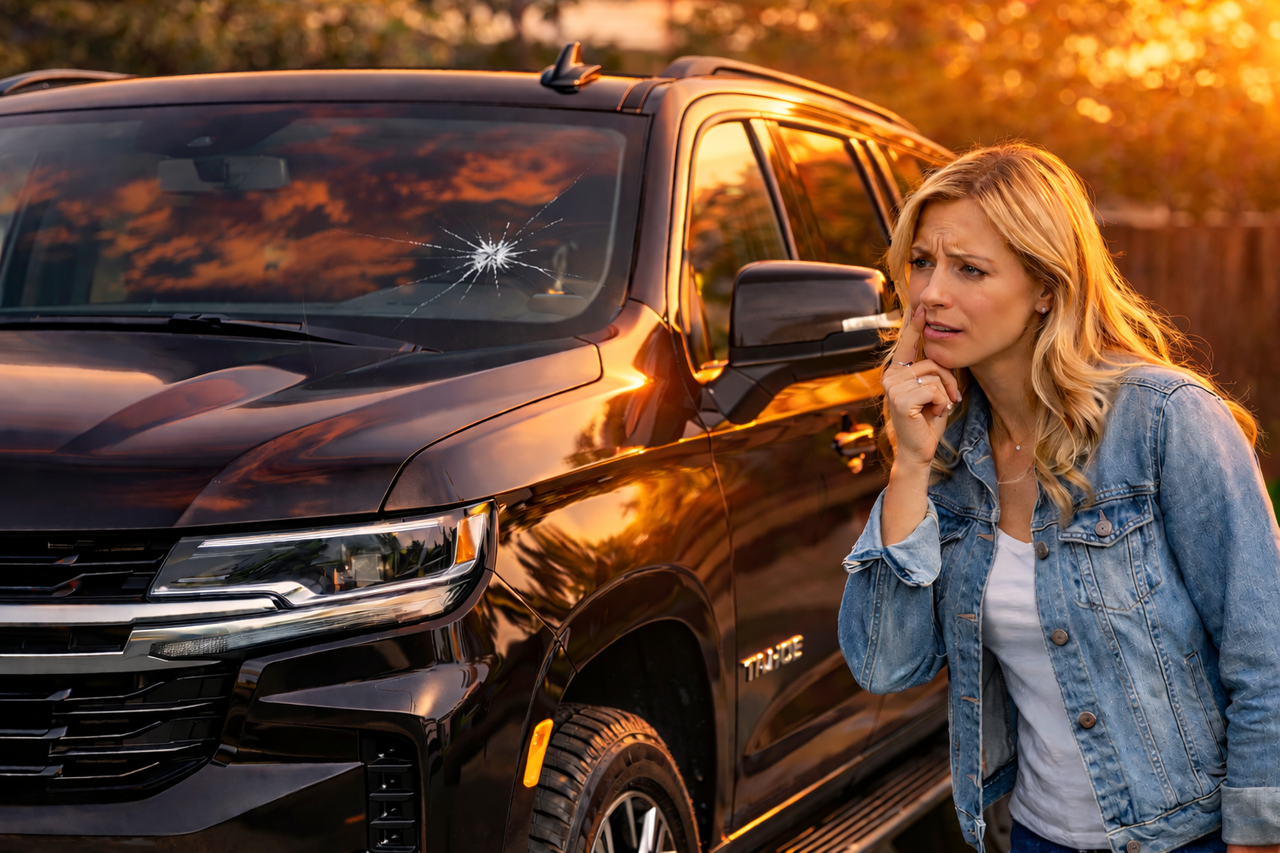
A tip that smooths the process: have your VIN ready and a clear photo of the existing glass showing any features like the rain sensor window, HUD projection area, or grid lines. This speeds part matching. If your claim uses mobile auto glass Sanford service, ask whether they will handle calibration on site or schedule you later. Be wary of anyone promising immediate drive‑off with full ADAS readiness without confirming the vehicle’s requirements.
Mobile service versus in‑shop work
Mobile service is convenient. For cracked windshield Sanford calls that involve a straightforward replacement without static calibration, doing the work at your driveway is efficient. Traffic and heat are realities, though. Urethane behaves differently in direct sun, and afternoon thunderstorms can interrupt jobs. Good mobile teams carry canopies, heat guns, and moisture meters. They also decline work when conditions would compromise the bond.
In‑shop work wins when the job needs precision or controlled environment. Static calibration demands level floors and measured distances. Some vehicles require a glass sag period before calibration, especially those with complex camera housings. The shop can also test for leaks with a controlled water flow rather than a hose in a parking lot. If you’re scheduling sanford auto glass replacement for a luxury model, a heated windshield, or a vehicle with a 360‑degree camera system, the shop environment is worth the trip.
Rock chips, cracks, and the line between repair and replacement
A clean rock chip can be repaired quickly and inexpensively, often through insurance with no out‑of‑pocket cost. The trick is speed. A chip filled with road grime or one that’s been through hot‑cold cycles may not bond cleanly. In my experience, a star break smaller than a quarter and not in the driver’s primary view is a good candidate. Long cracks are more complicated. Some techs claim to repair cracks up to 6 inches, sometimes longer. Results vary, and the structural integrity of laminated glass under airbag load is compromised once a crack runs. For safety, most sanford windshield repair professionals recommend replacement when a crack reaches the edge or exceeds 6 to 8 inches.
Don’t ignore chips. That quick rock chip repair Sanford drivers delay after a storm can become a crack overnight when a cold front moves through and pressures change. UV exposure also hardens the plastic interlayer around the chip, making resin flow less effective.
Moisture, mold, and the hidden costs of poor sealing
Central Florida humidity punishes mistakes. A replacement that leaves a small channel between the glass and the body can wick water. You might only notice after a few days when the AC pulls moisture out of the carpet, and the windows fog more than usual at startup. Trapped moisture grows mold fast. It also corrodes connectors under seats and can trigger airbag or seat sensor faults that cost more to diagnose than the original glass job.
Shops that take sealing seriously use smoke pencils or ultrasonic leak detectors after install. Some also drive the car at highway speed to listen for whistle, then adjust trim or seals before handing it back. That extra 10 minutes shows up later as the absence of headaches.
Tints, films, and how they interact with replacement
Many Sanford drivers add ceramic tint to fight heat. If your windshield carried a clear IR film, removal and reapplication after replacement should be part of the discussion. High‑quality films have specific cure times and installation techniques. On side windows, tint often hides scratch marks left by debris in the felt channel. After a window replacement, ask the shop to blow out and vacuum the channels thoroughly before any tint goes on. Otherwise, the first roll‑down scuffs the new film.
Head‑up displays rely on a specific laminated interlayer in the windshield. Tint films applied to that area can distort the projection or add ghosting. If your vehicle projects speed or navigation onto the glass, confirm that any tint installer understands HUD‑grade films and keeps the projection area free or uses a compatible product.
Small details that mark a careful installation
There are simple cues you can watch for without getting in the technician’s way. A clean, uniform urethane bead with no gaps. Reinstalled cowl panels that sit flush, with clip holes aligned instead of pushed and spread. Wiper arms torqued, not just pressed on, so their sweep doesn’t drift. Camera housings that click into place without force, indicating the bracket position is right. Inside, no rattles or loose A‑pillar trims, and no cut or pinched airbags under those trims.
I recall a customer who returned with a rattle behind the mirror after a quick install by a traveling crew. The retaining spring for the sensor cover was missing. The shop had likely dropped it into the cowl. One cheap spring made the difference between a quiet ride and a noise that drove the owner mad.
Seasonal and local considerations in Sanford
Heat accelerates failures that a mild climate might hide. Dashboards and trim expand, seals soften, and adhesives cure faster than expected. Summer storms blow debris, which explains the uptick in calls for auto glass Sanford shops see after windy afternoons. Fall and winter bring cooler mornings where defrosters highlight weak grid connections in back glass replacements. If your vehicle has a heated windshield, expect slightly different cure behavior around the embedded wires and insist on the correct part number, since heated variants sit thicker and need different urethane bead profiles to achieve flush fit.
Construction around Sanford and Lake Mary spreads loose aggregate. When you hear a ping on the highway, give the chip attention within 24 to 48 hours. Keeping a small piece of clear tape over a fresh chip can slow contamination before a repair, as long as it doesn’t obstruct your view.
Working with a shop: practical expectations
You should walk away from a sanford auto glass repair or replacement with paperwork that lists the part number installed, the adhesive brand and lot number, and whether ADAS calibration was performed. If calibration was done, ask for a printout or digital report that shows pass criteria. Warranties vary, but lifetime against leaks and workmanship defects is common. Coverage for stress cracks or new impacts, understandably, is not.
Good shops communicate scheduling honestly. Mobile teams give arrival windows and call ahead. For in‑shop work, expect 2 to 4 hours for a windshield with calibration, sometimes longer if parts are back‑ordered. Side glass is typically under two hours if regulators and tracks aren’t damaged. Quarter and back glass range widely due to trim complexity. If you need same‑day service for a broken side window, most mobile auto glass Sanford providers can board up the opening securely until the correct glass arrives.
When a replacement isn’t end of story: quality checks you can do
After any sanford car window replacement, take five minutes for a simple check. Drive at 35 to 45 mph with the radio off and listen for wind hiss near the replaced area. Spray a gentle stream of water along the glass edge and look for moisture inside. Turn on defrosters and heated elements to confirm they work, especially on back glass. If your car has lane‑keep or adaptive cruise, take a quick drive on a well‑marked road and watch for unusual warnings or steering nudges that feel different from before.
If something is off, call the shop quickly. Most issues are easier to correct early, before adhesives fully cure or before clips seat permanently. Competent teams prefer a quick adjustment over a dissatisfied customer who never returns.
Avoiding the second replacement: habits that protect your glass
Nobody controls road debris, but a few habits help. Keep a healthy following distance on I‑4 behind trucks carrying aggregate or landscaping loads. Replace wiper blades twice a year in Florida. Grit embedded in old blades acts like sandpaper and etches arcs into a fresh windshield within weeks. Use washer fluid, not dry wipes, to clear pollen films in spring. For garage parking, avoid closing the door while a frameless window is still indexing up to meet the seal. Let the door settle, then the glass can lift into a relaxed, aligned position.
How local shops differentiate
Several Sanford teams have built reputations on thoughtful work rather than volume. The pattern I see: they carry both OEM and high‑quality OEM‑equivalent options, they stock multiple urethane types to match temperature and cure needs, and they invest in calibration targets and updated scan tools. They also do small jobs well. A neat, nearly invisible rock chip repair preserves the structural layer and saves a more expensive replacement later. Shops that treat rock chip repair Sanford calls with the same care as a full replacement tend to earn customers for life.
They also ask better questions. When a scheduler asks for your VIN, camera features, garage or driveway orientation for mobile work, and any prior damage to trim, that’s not bureaucracy. It’s the front end of a clean install that matches factory specifications rather than approximating them.
The promise and responsibility of mobile service
Mobile service is one of the great conveniences in auto care. The technician comes to your workplace off Rinehart Road, you hand over the keys, and two hours later you have a clear, aligned windshield with an ADAS calibration report waiting in your inbox. The best mobile techs I know treat their vans like labs. They store adhesives in temperature‑controlled bins, carry calibrated torque tools for mirror mounts and wiper arms, and keep spare clips and trims that are known to break. They also stop when conditions are wrong. A sudden storm, high winds, or a scorching blacktop that drives glass temperature too high can all justify rescheduling. It’s not ideal, but it protects the integrity of the work.
For jobs that don’t suit a mobile setting, a good team explains why an in‑shop appointment is necessary. Static calibration, bonded quarter glass that needs a curing fixture, or vehicles with complex HUDs often fall into this category. That clarity builds trust.
Bringing it all together
Factory‑spec replacement is less about branding and more about fidelity to how the vehicle was engineered. It means the right glass, mounted the right way, with the right chemistry, followed by validation that the car’s systems see the world exactly as before. For drivers seeking sanford auto glass repair or full sanford windshield replacement, the difference shows up in quiet cabins, steady cameras, dry carpets, and the absence of warnings on the dash. It’s not flashy. It’s competence.
If you need service, look for evidence, not slogans. Part numbers that match your features. Adhesive data on the work order. A calibration pass sheet when your car uses driver aids. A technician who treats alignment as a measurement task, not an eyeball guess. Whether you choose mobile auto glass Sanford convenience or book time at a shop, that attention to detail is what brings your car back to its factory feel.
And if you catch a stone on the 417 tomorrow and see that tiny star appear, don’t wait. A quick sanford windshield repair can keep the original glass intact. It’s the cheapest way to stay factory, and it spares you from testing the entire chain of replacement variables we’ve just walked through.
Leave a Reply