
Charlotte drivers log serious miles. Commutes that straddle I‑77 and I‑485, quick hops from Ballantyne to NoDa, Saturday morning road trips up to the lake. All that movement makes windshields earn their keep, and when they crack, chip, or de-laminate, you feel it. I’ve spent years in the field working with auto glass on everything from delivery vans to luxury SUVs. The difference between a smooth, safe repair and a frustrating one usually comes down to two things: the quality of the materials and the discipline of the installer. Certified professionals treat a windshield like the structural component it is, not just a sheet of glass.
What follows is a practical, detail-forward look at windshield replacement Charlotte NC drivers can count on, with the judgment calls and edge cases that real vehicles bring. You’ll see where mobile auto glass repair Charlotte services make sense, how to think about calibration on modern cars, and how to vet the best auto glass shop Charlotte NC has for your situation.
Why certification changes the outcome
Certification sounds like marketing until you’ve seen the difference on a wet braking test. A windshield is bonded into the vehicle with urethane adhesive, and once cured it ties into the roof and A‑pillars. On many models, it’s responsible for a notable share of roof-crush resistance, and it helps direct passenger airbags during deployment. Technicians trained and certified on OEM procedures understand cure times, pinch weld preparation, and primer compatibility. They know when you can safely drive, when you must garage the car, and how humidity changes the equation.
In Charlotte’s climate, humidity swings and summer heat play games with urethane chemistry. A certified installer adjusts bead size and open time to match conditions, checks batch dates on adhesives, and uses a cutout method that protects the pinch weld paint. That last detail matters. Nicks through the e‑coat invite corrosion, which spreads under the frit band and eventually lifts the bond. I’ve seen “fast” jobs that look fine for six months, then leak during a thunderstorm and fog the headliner. A meticulous pro prevents that chain reaction.
Repair or replace, and where chips cross the line
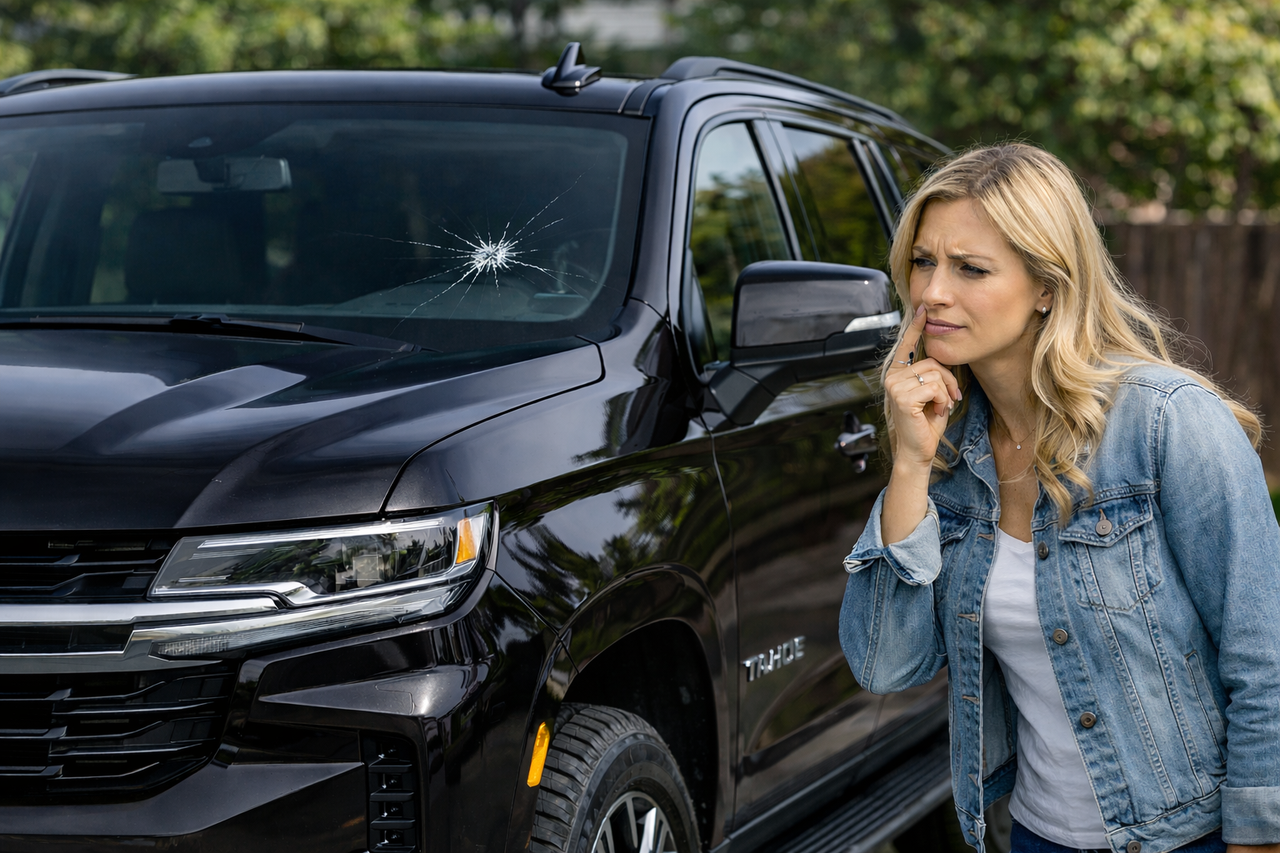
People search “windshield repair near me” hoping to save the original glass. That instinct is good. Factory glass is often acoustically laminated and correctly contoured. If a chip is smaller than a quarter, outside the driver’s primary view, and not at the edge, a repair can stop the crack and keep the OE glass in place. The resin fills micro fractures, restores some strength, and keeps dirt and moisture out. In my experience, repair success is highest when done within a week of the damage, before the crack legs propagate.
There are hard nos. A crack that touches the edge, multiple impact points close together, or damage in the camera sweep area on ADAS‑equipped cars usually pushes the job into replacement. Heated and acoustic layers complicate the call too. If delamination appears as a white haze around the impact, replacement is more reliable.
What a proper replacement actually looks like
Most customers see only the before and after: damaged glass gone, new glass in. The substance sits between those moments.
The vehicle inspection tells the story. A careful technician photographs the VIN, current glass markings, and any pre‑existing scratches or trim damage. Wiper arms come off with the right puller so cowl plastics don’t crack. The interior gets protected, including the dash and seats, because glass dust travels. When cutting the old urethane, the blade stays shallow to avoid scoring the pinch weld. The remaining adhesive is trimmed to a consistent thin layer, rather than scraped to bare metal, which maintains corrosion protection and ensures a strong chemical bond with the new bead.
Primers and activators get applied per product specs, not by habit. Different glass brands and frit coatings have different requirements, and mixing systems invites adhesion failures. The installer dry‑fits the glass to confirm alignment, sets with calibrated suction cups, and applies even pressure without flexing the panel. On late‑model vehicles, that careful alignment isn’t cosmetic. The forward camera and rain sensor expect a target area. A windshield set a few millimeters off can push a camera out of tolerance and trigger ADAS faults during calibration.
Safe drive‑away time is the last decision point. With most high‑modulus urethanes, you’re looking at a couple of hours in Charlotte spring weather, longer if it’s cold and dry. I’ve seen same day auto glass repair Charlotte NC providers who build their schedules around those windows, and they won’t rush you out the door before the bond has reached minimum strength. If your shop can’t explain the time and the chemistry, keep looking.
The ADAS calibration factor you can’t ignore
If your car has lane keep assist, adaptive cruise, or automatic emergency braking, it likely uses a camera mounted to the windshield. Replacing the glass changes the camera’s position by a few millimeters, which is enough to skew its perception. Static calibration uses specific targets at set distances in a controlled environment. Dynamic calibration requires driving on marked roads at a steady speed. Some vehicles call for both. Charlotte’s beltways and straight stretches make dynamic calibrations practical, but weather and traffic can disrupt the routine.
Shops that specialize in windshield replacement Charlotte NC should be upfront about calibration. Do they perform it in‑house, subcontract to a calibrated facility, or send you to the dealer? There is no one right answer. What matters is that it gets done, documented, and verified with no warning lights lingering. A quick anecdote: a fleet client tried to save time by skipping calibration after a replacement on a crossover. The next day, the vehicle flagged a forward collision warning fault during a rainstorm. We re‑calibrated, and the camera readings were several degrees off center. The system looked normal until it wasn’t, which is too late when you rely on those features.
Mobile service in Charlotte, when it helps and when it doesn’t
Mobile auto glass repair Charlotte options are a lifesaver when your schedule is tight or the vehicle is unsafe to drive. For stone chips or straightforward replacements on models without complex ADAS, mobile windshield replacement Charlotte appointments can be clean and efficient. The best teams bring enclosed tents or wind screens, maintain temperature‑controlled adhesive storage, and have power tools for controlled cutouts. They also plan for curing time, so you aren’t tempted to drive too soon.
There are cases where a shop bay is the smarter call. Static camera calibration requires floor space, level ground, and proper lighting. Heavy rain can contaminate a bond. Some windshields need specialized setting equipment or OE‑level trim tools to avoid creaks down the road. If a mobile crew recommends a shop visit, they’re protecting your result, not upselling. Convenience is valuable, but nothing beats a controlled environment when the job is complex.
Material quality, brands, and the truth about “OE”
Drivers ask whether they need OEM glass. The answer depends. OEM glass carries the vehicle maker’s logo and matches original acoustic layers, solar coatings, and frit aesthetics. It integrates with heads‑up display systems and camera brackets exactly as delivered. OE‑equivalent glass from reputable manufacturers also meets Federal Motor Vehicle Safety Standards, and on many models, the optical quality and acoustic performance are indistinguishable. The problems arise with bargain aftermarket panels that ripple in the sun or mirror ghost a HUD image. Those are not acceptable.
A good shop will lay out options: OEM, OE‑equivalent, and, rarely, budget aftermarket if the vehicle is older and the owner accepts trade‑offs. They’ll ask about garage parking, long highway commutes, and how sensitive you are to cabin noise. On premium sedans with thick acoustic laminates, I recommend OEM or the exact OE‑equivalent supplier. On a mid‑mile work truck, a solid aftermarket panel can be a fair choice.
Insurance, glass coverage, and what “no deductible” really means
In North Carolina, glass coverage varies by policy. Some comprehensive plans waive deductibles for glass repair, not replacement. Others cover both but require specific networks or pre‑authorization. A shop with real experience in auto glass repair Charlotte NC will walk you through the claim, help you file from the counter, and explain your options if a network tries to steer you to a shop you don’t want. You have the right to choose your installer. If you prefer the best auto glass shop Charlotte NC offers for your vehicle type, tell the insurer that clearly.
One practical tip: for rock chip repairs, paying out of pocket can make sense if your deductible is higher than the repair cost. Most chips cost less than a tank of gas and preserve your claim history. For replacements with ADAS calibration, let the insurance do its job. The combined cost of quality glass, urethane, labor, and calibration equipment adds up, and shortcuts here create expensive headaches later.
Side and rear glass, different materials and different priorities
Windshields are laminated. Side and rear glass are usually tempered, which shatters into small cubes on impact. When a side window breaks, it’s almost always a replacement, not a repair. Side window replacement Charlotte technicians focus on regulators, weather stripping, and making the door water‑tight again. They vacuum shards from the door cavity, protect the vapor barrier, and ensure the glass is indexed to travel smoothly. On frameless doors, adjustment is delicate. Get it wrong and you’ll hear wind noise at 65 mph or see the glass smack the trim on closing.
Rear windshield replacement Charlotte NC has its own considerations. Rear glass integrates defroster grids and often antenna elements. If your defroster is weak after replacement, the grid connectors may be misaligned or the tabs soldered poorly. SUVs with liftgate glass need careful alignment so the seals compress uniformly and the wiper doesn’t chatter. A good shop tests the defroster and radio reception before handing the keys back.
Same day capability without cutting corners
Fast isn’t the enemy of quality. Rushed is. Same day auto glass repair Charlotte NC is entirely achievable on many vehicles when the shop controls the process. They keep common windshields in stock, including popular trims with camera brackets and rain sensors. They stage urethanes by temperature, assign experienced installers to complex jobs, and slot calibrations into the day with realistic buffers. When a provider says they can do your car today, ask two questions: whether they have the exact part number with the correct options, and whether calibration, if needed, fits into the same appointment. If both answers are confident and specific, you’re in good hands.
How to pick the right shop for your vehicle
Charlotte has solid options. Not all specialize in the same things. Some excel at luxury European vehicles and their finicky moldings. Others run tight mobile fleets that handle commuter cars quickly and cleanly. A few focus on collision‑shop support, where they integrate with body work and paint schedules. Align your needs with their strengths.
Here is a concise checklist to use when you call around:
- Ask about technician certifications, pinch weld protection practices, and adhesive cure times for your appointment window.
- Confirm ADAS calibration capability for your make and model, including static, dynamic, or both, and how results are documented.
- Verify the exact glass part, including camera brackets, HUD compatibility, acoustic laminate, and rain sensor mounts.
- Request clarity on warranties for leaks, stress cracks, and calibration performance, along with how claims are handled.
- Discuss mobile versus in‑shop pros and cons for your case, considering weather, calibration, and your schedule.
A shop that answers these questions without hedging is likely the best auto glass shop Charlotte NC for your specific job, even if they aren’t the cheapest on the list.
Mobile safety precautions that separate pros from the pack
When a technician works in your driveway or office lot, small decisions protect the bond and the car. They’ll position the vehicle nose‑into the wind to keep debris away from the urethane bead, or use a portable wind screen when gusts kick up. They’ll stage tools so trim clips aren’t lost in the grass, and they’ll lay protective pads so the cowl plastic doesn’t crease under a tool bag. They’ll scan the car for diagnostic codes before and after, especially on vehicles that throw non‑critical codes when modules lose power during a repair. Those little touches are easy to miss from the sidewalk but they show up in how the glass looks and performs a year later.
Local driving realities, and why tiny chips need quick attention
Charlotte’s roadways chew on glass. Construction on the outer loop, gravel from landscaping trucks, and heat cycles that stress existing chips. I’ve measured crack growth on windshields from quarter‑inch stars to six‑inch legs after a single July afternoon of parking garage heat followed by an evening thunderstorm. If a chip appears, cover it with clear tape to keep moisture out, then search for “windshield repair near me” and book the soonest repair. Resin bonds better to dry, clean fractures. That quick reaction can save you a full replacement, especially on vehicles with rare or expensive glass options.
What you should expect on the day of service
A well‑run appointment feels calm, even if the shop is busy. You’ll sign an authorization, they’ll verify sensor and accessory details, and they’ll explain the expected duration. If you’re at a shop, you should see organized bays and controlled lighting. If it’s mobile, expect a clean van, professional glass handling tools, and protective coverings for your interior. After the glass is set, you may see small setting blocks or tape at the edges. That’s normal while the urethane skins. They’ll give you a drive‑away time and a simple care sheet: avoid high‑pressure car washes for a day, don’t slam doors with all windows up for the first few hours, and schedule calibration if it hasn’t been completed yet.
Payment and paperwork matter too. You’ll receive an invoice listing the glass brand and part number, the urethane system used, and any calibration printouts. If insurance is involved, you’ll sign the claim, and the shop will submit supporting documents. Keep these records. If you ever sell the car or need warranty work, this clarity helps.
Practical notes on specialty vehicles and unique glass
Not every windshield is a rectangle set into a sedan. Sprinter vans used for deliveries, with their tall, flexible bodies, need careful urethane selection to handle torsion. Performance cars with HUD and acoustic interlayers need exact spec matches to avoid ghosting. Classic cars often lack modern frit bands and require separate primers and careful trim re‑installation. The best shops either have specialists in these niches or will refer you to someone who does. If you hear a confident “we do those all the time” along with specifics about moldings, sensor mounts, or unique adhesives, that’s a good sign.
When leaks, noises, or error codes appear after a job
Even good installs can run into issues, and how a shop responds is the measure of their professionalism. A wind hiss at highway speed might be a missing clip on a cowl or a small gap at a trim corner. A water leak could be a skipped primer spot or a misaligned top edge. ADAS codes may flag after a battery disconnect or need a recalibration drive. A credible warranty should cover these corrections without drama. I advise customers to test the defroster, rain sensor, lane keep indicators, and washer spray within the first week, then call immediately if something feels off. Small problems are auto glass replacement Charlotte NC 28271 easiest to solve early.
The role of customer habits in glass longevity
Once you have fresh glass, a few habits extend its life. Leave a few inches of window open when closing doors during the first day to avoid pressure spikes. Replace wiper blades at least twice a year in Charlotte’s climate, since gritty blades etch micro arcs that show up against oncoming headlights at night. Don’t scrape ice with metal tools; use a proper scraper and let the defroster do most of the work. Avoid tailgating, especially behind construction trucks, and if you must follow one, switch lanes or back off to reduce gravel spray. These are small, low‑effort changes that prevent the most common repeat damage I see.
What makes a shop the best fit for your needs
“Best” isn’t universal. A family with two late‑model SUVs and a packed calendar might value mobile service, extended hours, and in‑house ADAS calibration. A driver with a European coupe might prioritize OEM glass access and meticulous trim work. A rideshare driver wants same‑day turnaround and a warranty with easy claims. Look for transparent communication, consistent process, and a facility or mobile setup that matches your vehicle’s needs. Read recent reviews that mention your car’s features, not just star counts. Call and listen for fluency: when you say “acoustic laminate and HUD,” do they ask for the VIN and list the correct options, or do they generalize?
A grounded look at cost and value
Expect a wide range. A basic sedan windshield with no sensors may land in the low hundreds, while a luxury SUV with acoustic glass, a complex bracket, and post‑install calibration can run into four figures. Side windows often cost less than windshields, but frameless doors or integrated shades add labor. Rear glass sits in the middle, influenced by defroster complexity and accessibility. Value shows up over months, not the day of payment. A leak‑free, rattle‑free, well‑calibrated install protects you in an emergency stop and makes daily driving peaceful. That’s what you’re paying for when you choose certified installers.
Final guidance for Charlotte drivers
If you need auto glass repair Charlotte NC services, start with a clear description of your vehicle and the damage, have your VIN handy, and ask the questions that reveal process. For car window replacement Charlotte NC on doors or liftgates, focus on regulator integrity and weather seal quality as much as the glass. For rear windshield replacement Charlotte NC, verify defroster and antenna function before you leave. And if you’re scanning for “windshield replacement Charlotte NC” or “mobile auto glass repair Charlotte,” remember that convenience should travel with calibration capability and strong materials. When you find that combination, you’ve likely found the right partner for your car.
Charlotte’s roads aren’t getting any gentler, but with certified hands on the job and a little attention to detail, your view stays clear, your cabin stays quiet, and your vehicle’s safety systems see the world the way they’re supposed to.
Leave a Reply